
-
×
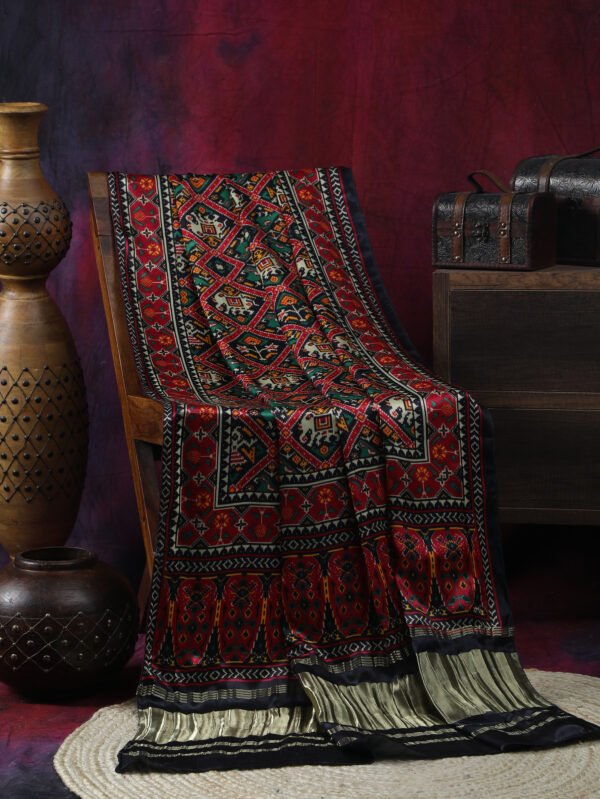
-
×
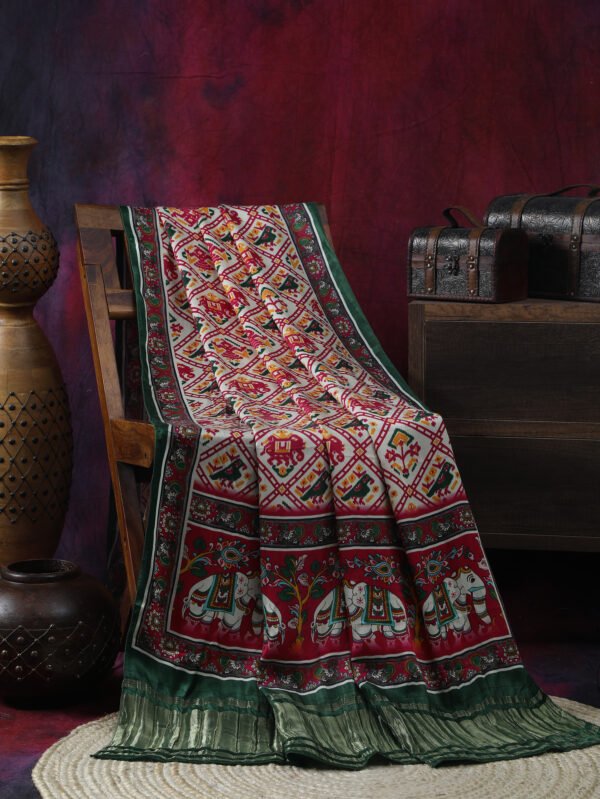
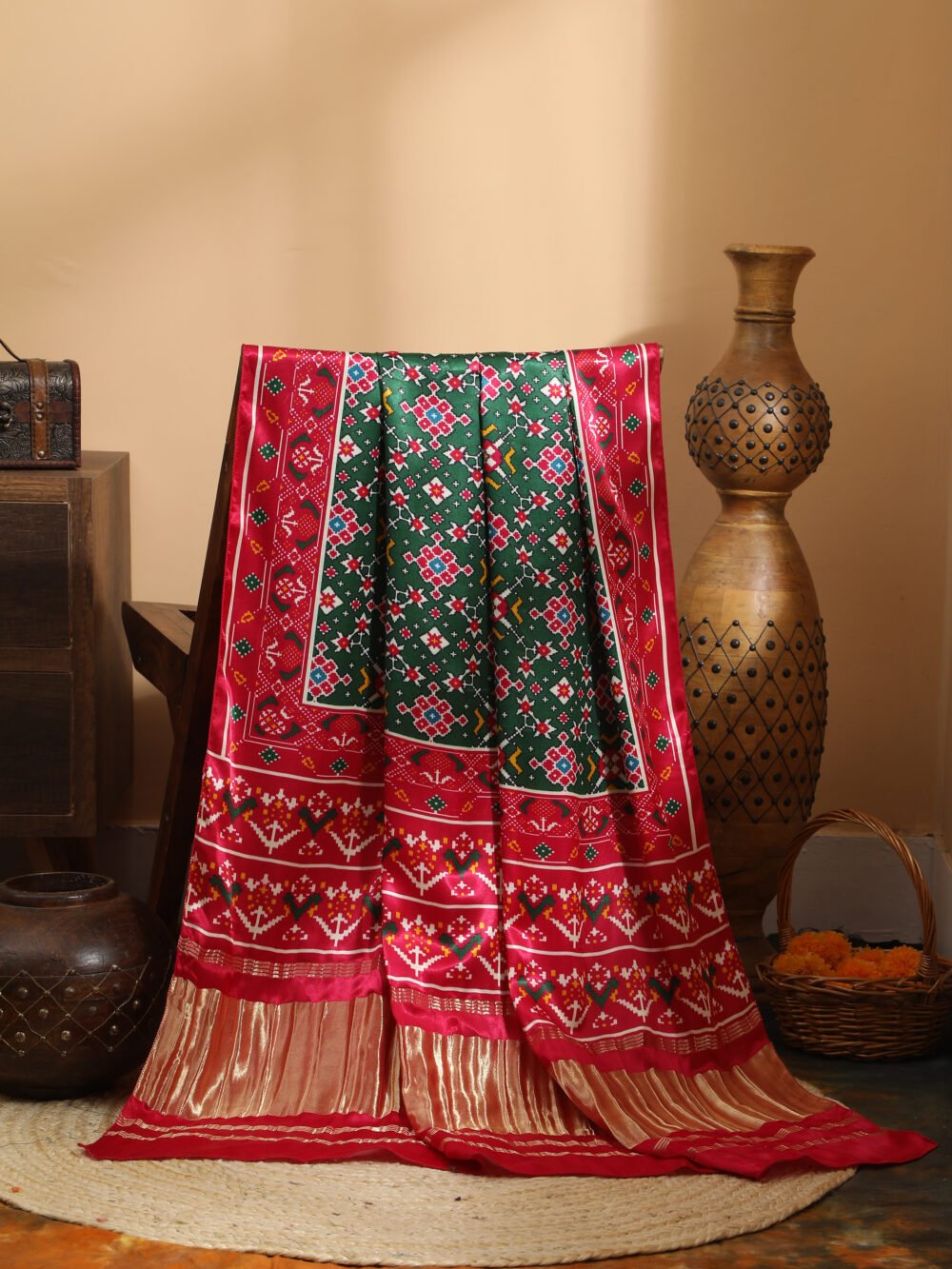
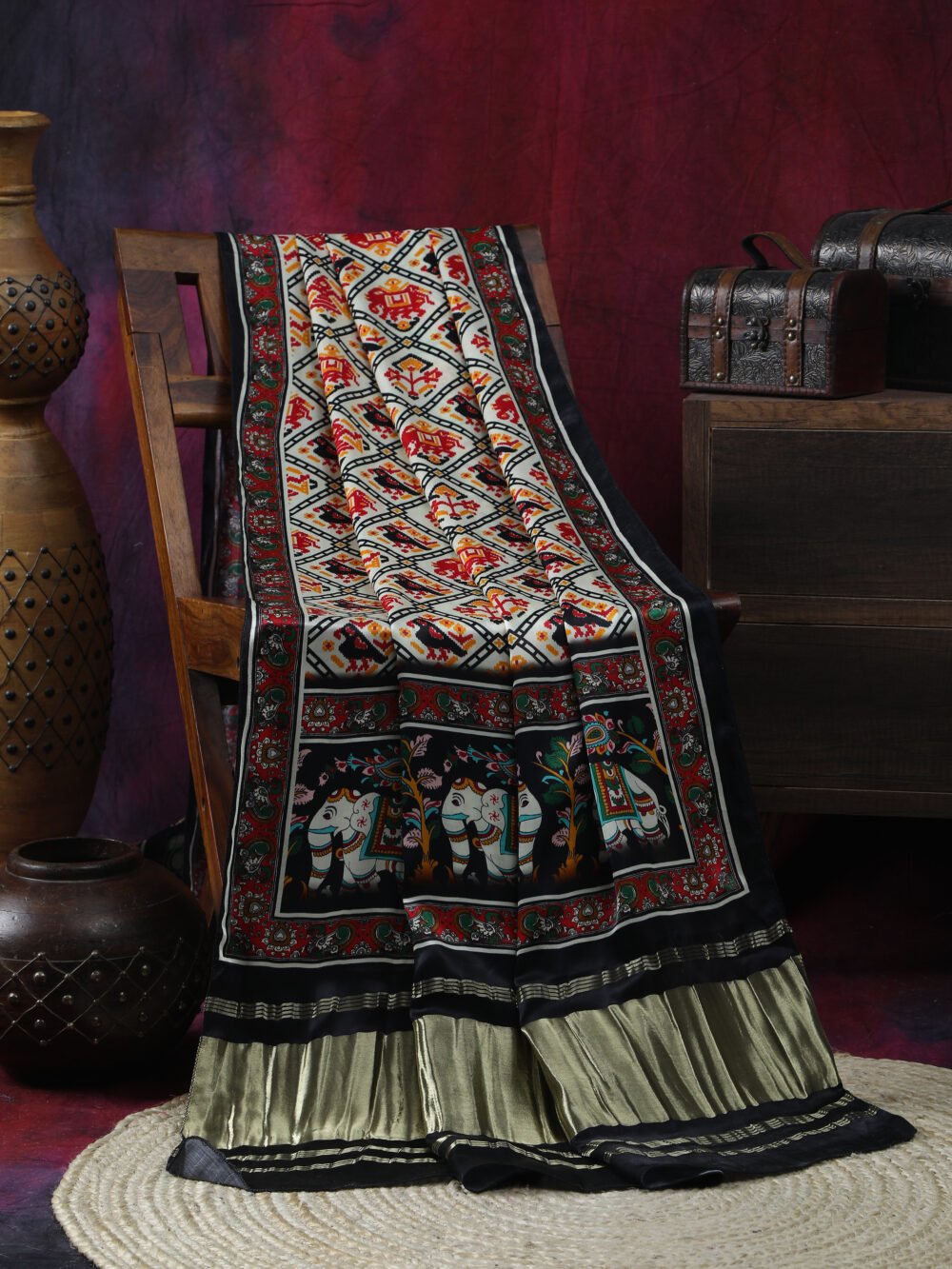
GREEN & WHITE PATOLA IKKAT PRINT DUPATTA
₹2,199.00 -
×
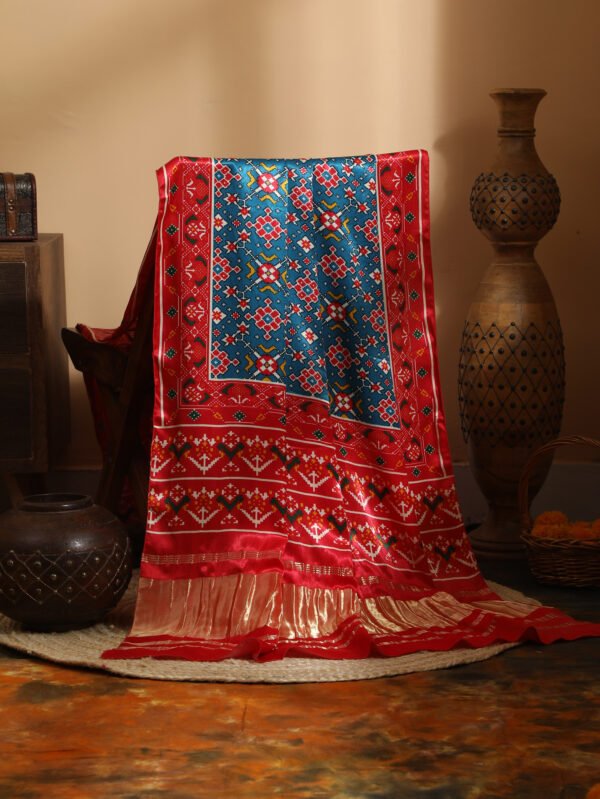
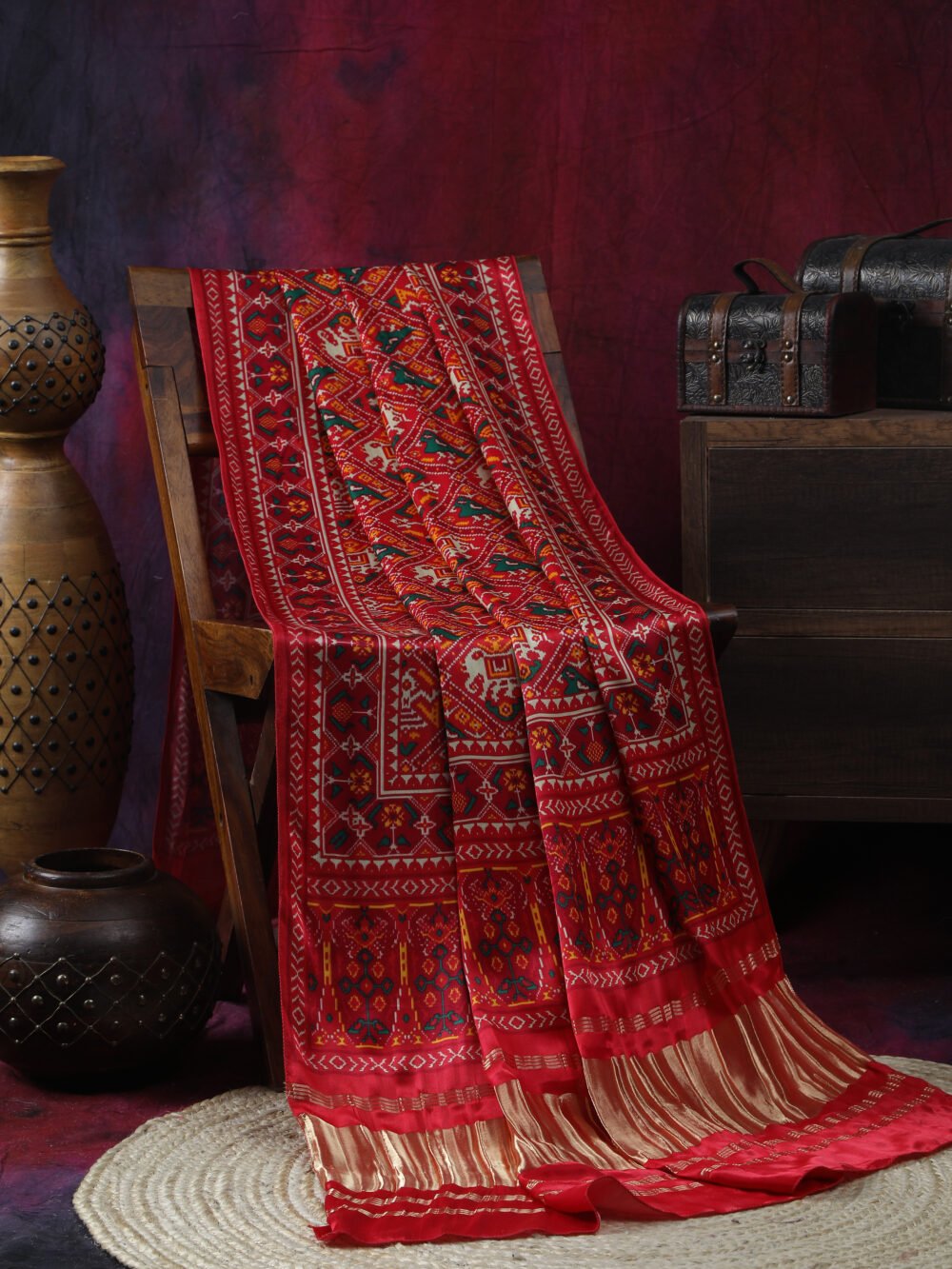
PATOLA IKKAT PRINT DUPATTA
₹2,199.00
Pure Silk Patola Dupatta Wholesaler / Distributor from Surat

Surat — the vibrant port city of Gujarat — has long been synonymous with textiles in India. While it is globally acclaimed for its power looms, fabric mills, and bustling garment trade, there is a lesser-told story of traditional craftsmanship that runs just as deep: the journey of pure silk Patola dupattas from artisanal looms into the wardrobes of buyers across India and the world. At the heart of this journey are the wholesalers and distributors in Surat, who bridge the gap between master weavers and retail markets, offering a seamless blend of heritage, quality, and commerce.
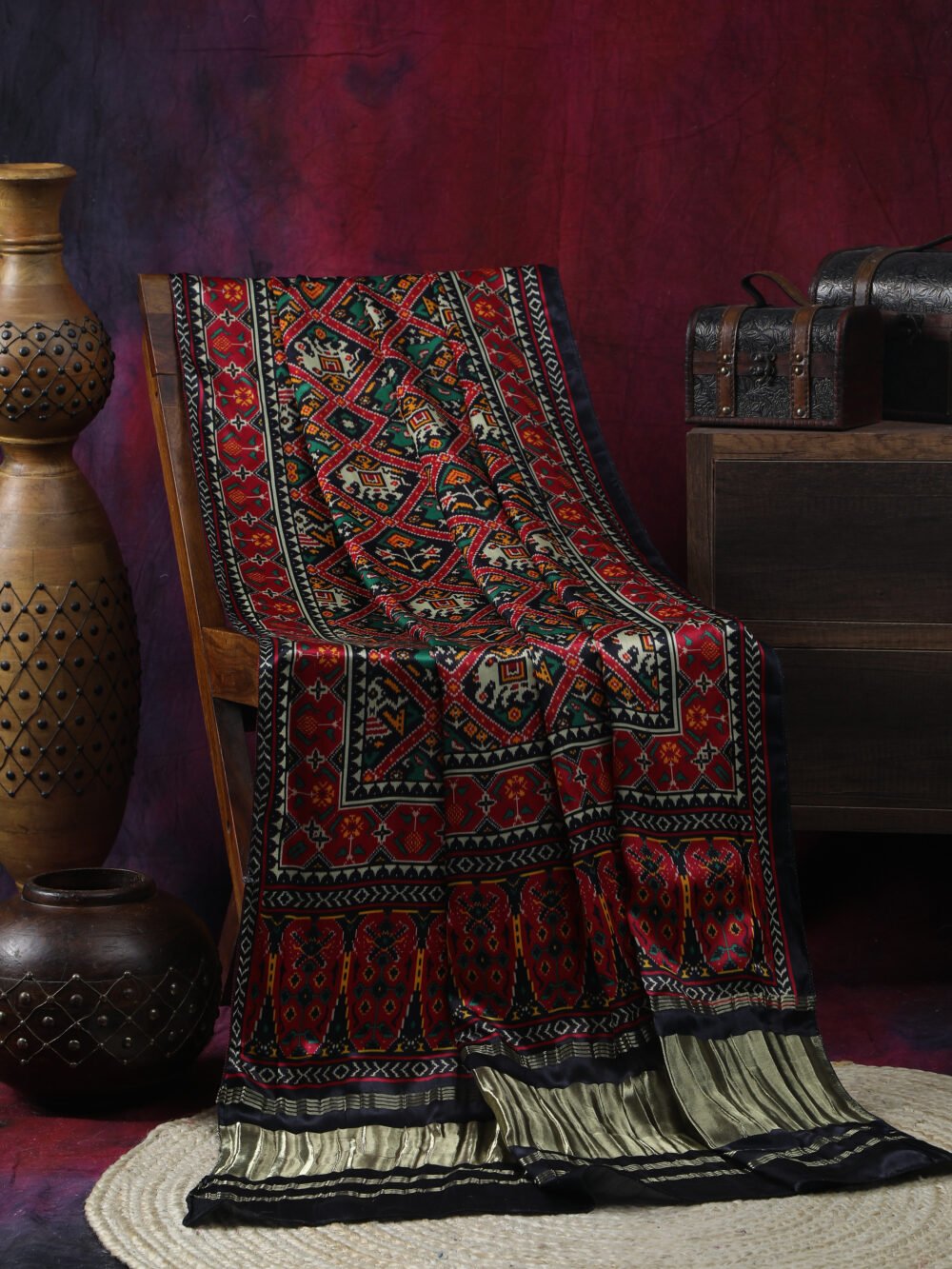
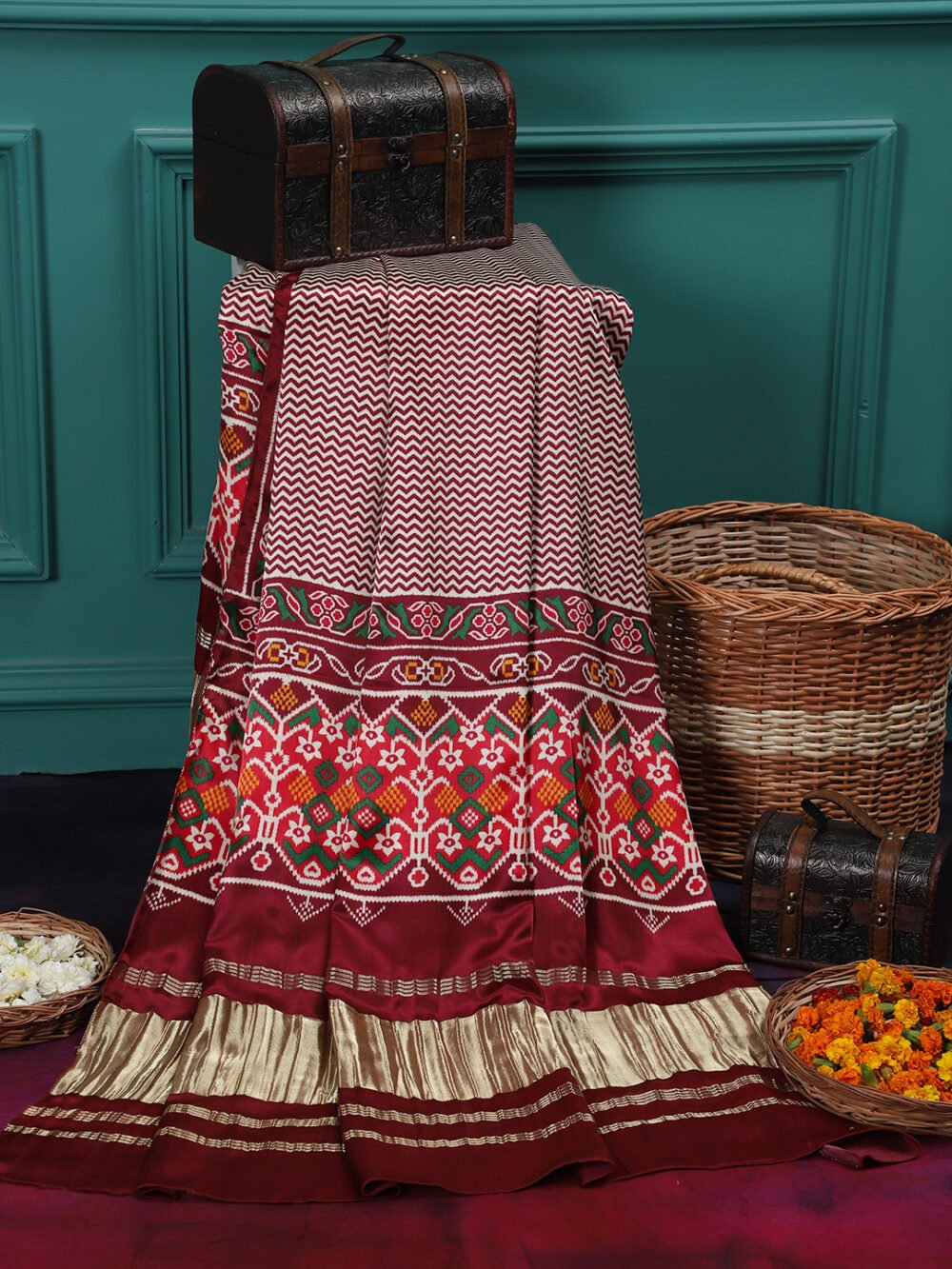
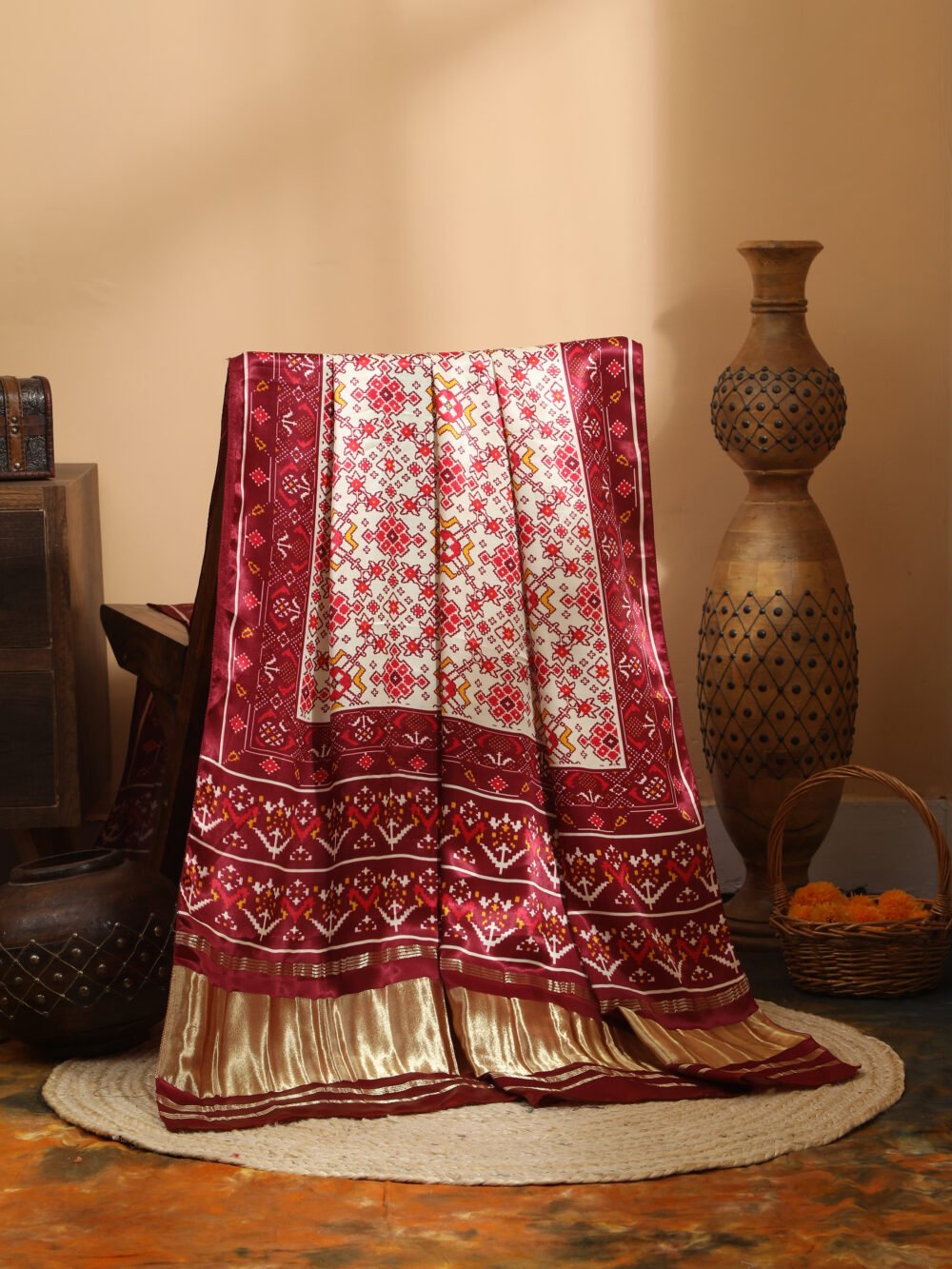
In this comprehensive blog, we explore the world of a Pure Silk Patola Dupatta Wholesaler / Distributor from Surat — who they are, what they do, and why their role is critical in sustaining and expanding one of India’s most precious handloom traditions.
Understanding Patola: A Textile of Tradition and Precision
Before diving into the role of wholesalers and distributors, it’s crucial to understand what makes Patola so special.
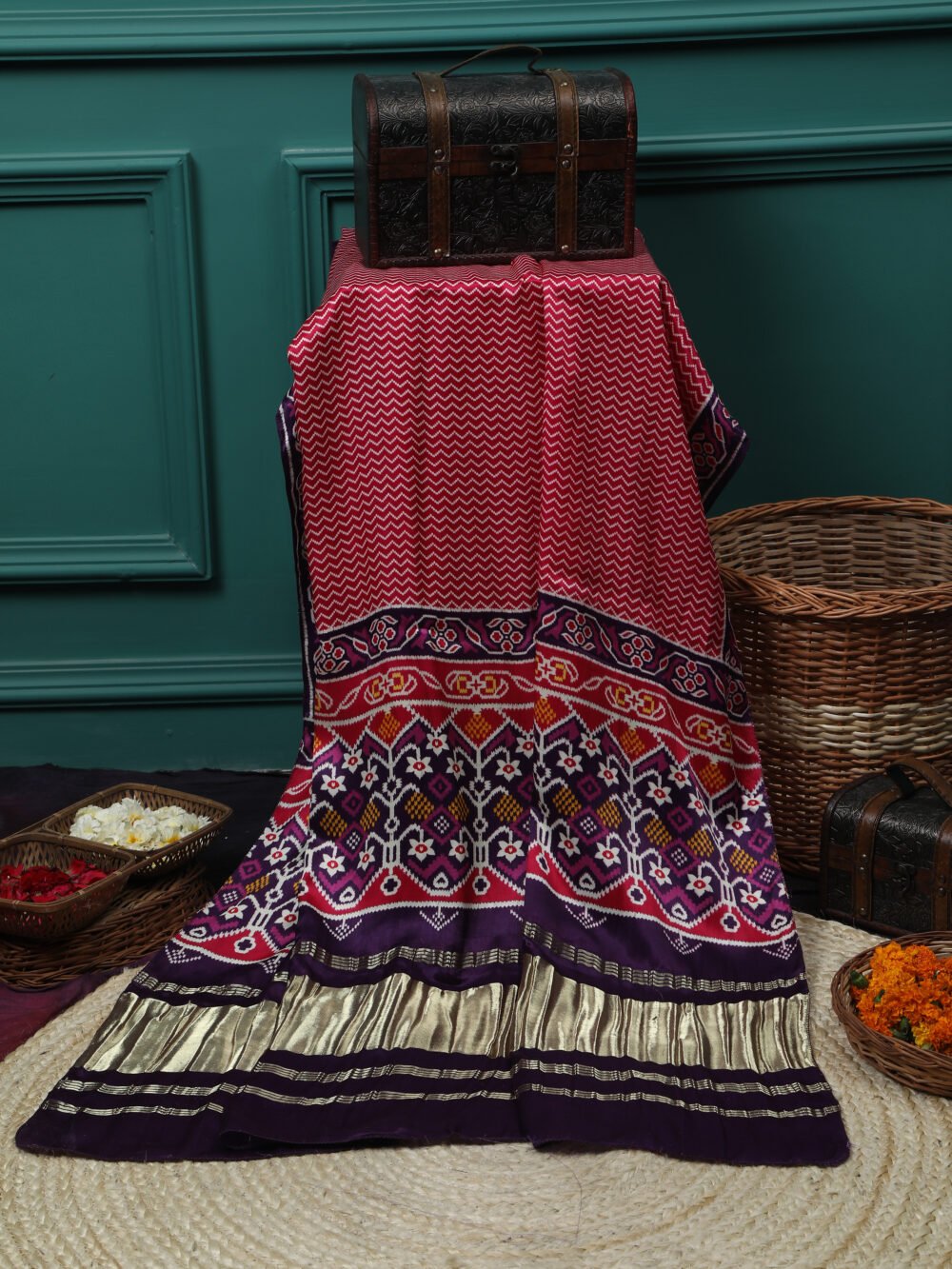
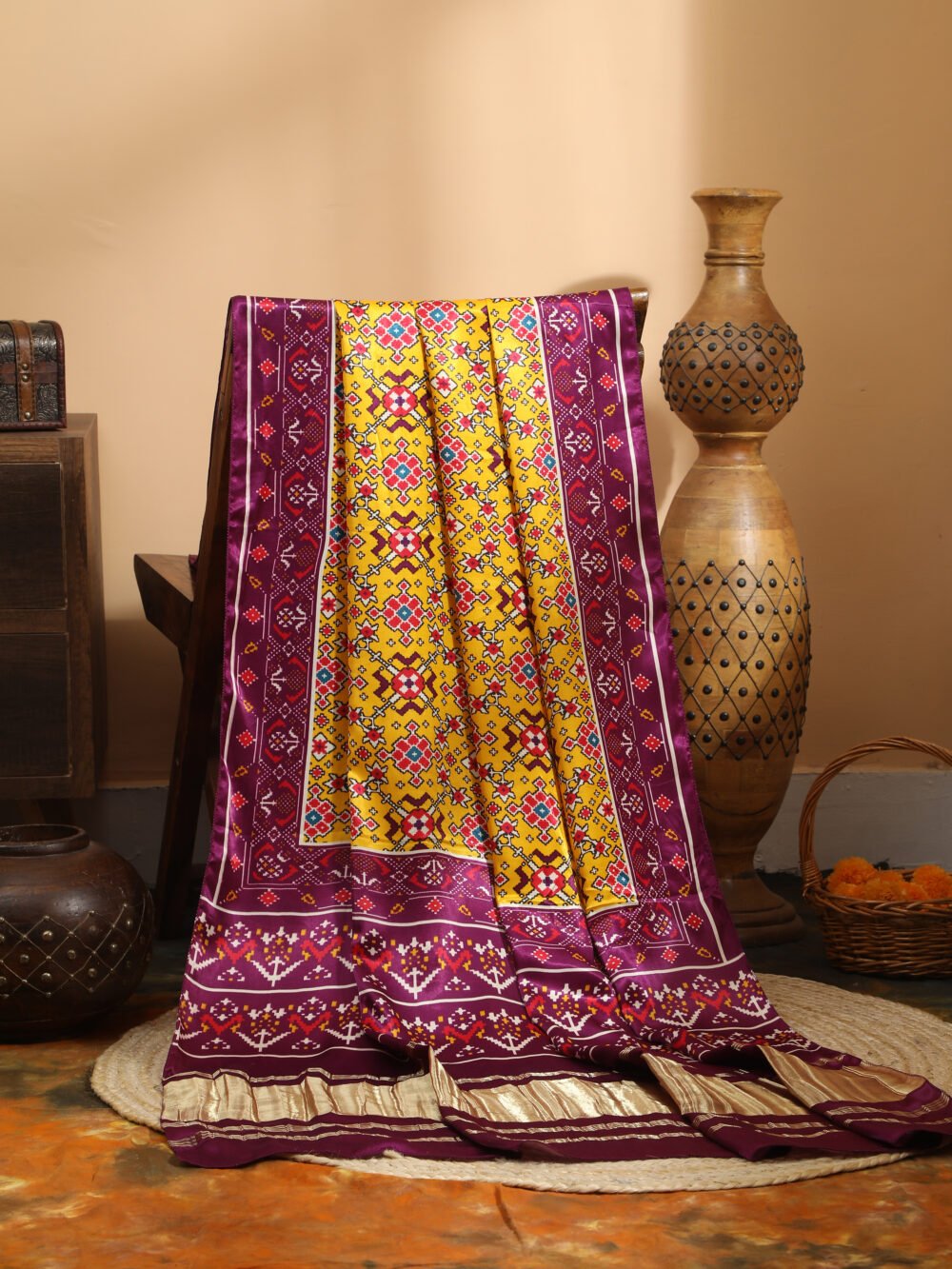
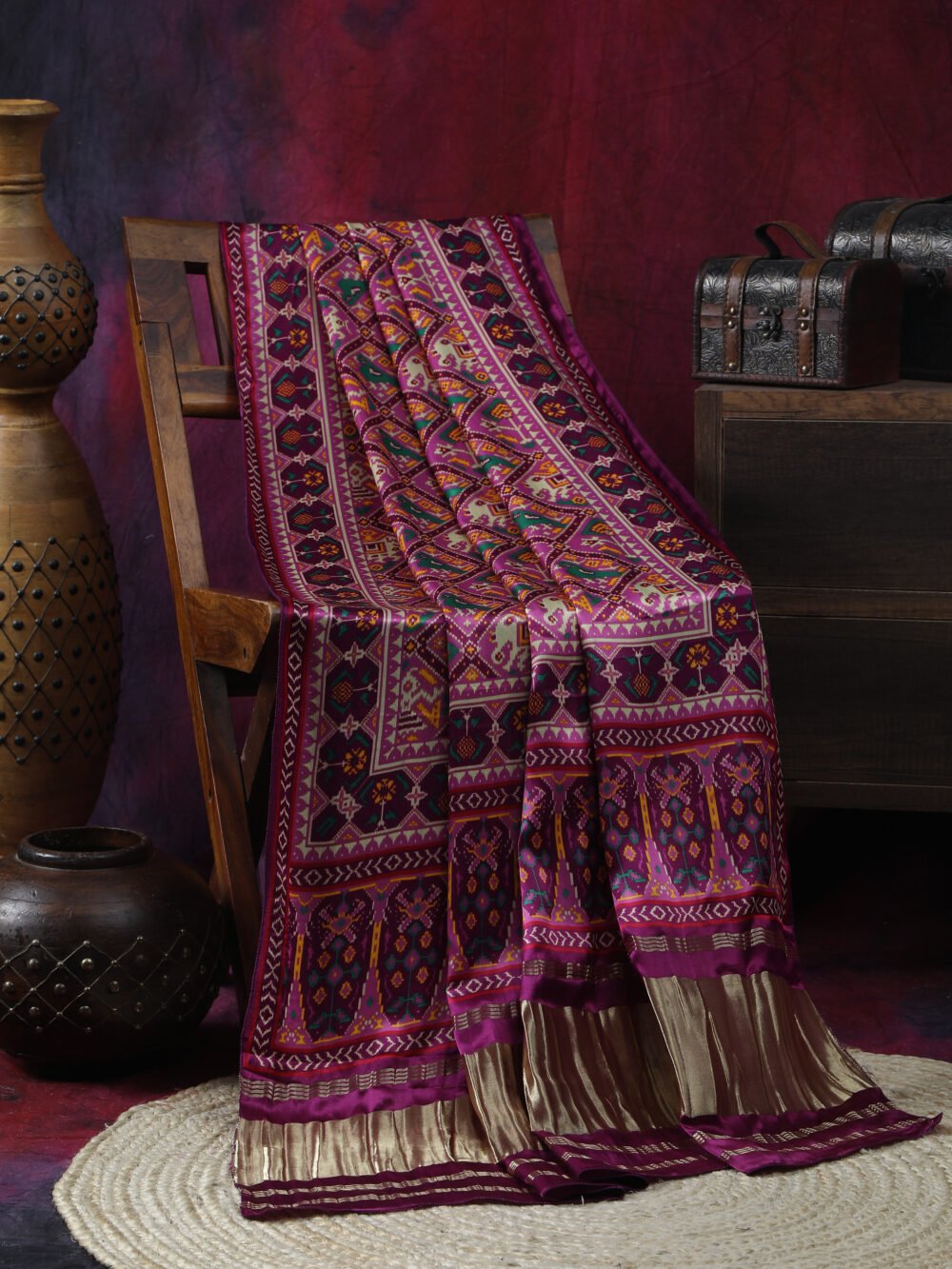
Patola is a type of double-ikat woven textile, traditionally produced in the Patan region of Gujarat. Its hallmark is in the painstaking process of resist-dyeing both the warp and the weft threads before they are interlaced on the loom. This results in richly patterned motifs that show perfect symmetry on both sides of the fabric — a feat of remarkable precision. The motifs often include geometric patterns, stylized flowers, birds, and symbolic elements, each telling its own story.
When executed in pure silk, these dupattas become even more exquisite — with a lustrous sheen, vibrant color depth, and a luxurious texture that is cherished in bridal, ceremonial, and high-fashion segments.
Surat: A Strategic Base for Textile Distribution

Surat’s rise as a textile powerhouse is no accident. Its strategic advantages include:
- World-class transportation and logistics networks
- Proximity to major weaving clusters in Gujarat and Rajasthan
- A well-established ecosystem of traders, exporters, and fabric buyers
- Strong wholesale markets attracting buyers from all over India
For wholesalers and distributors of pure silk Patola dupattas, Surat acts as an ideal nexus where quality supply meets expansive demand.
Who is a Pure Silk Patola Dupatta Wholesaler / Distributor?
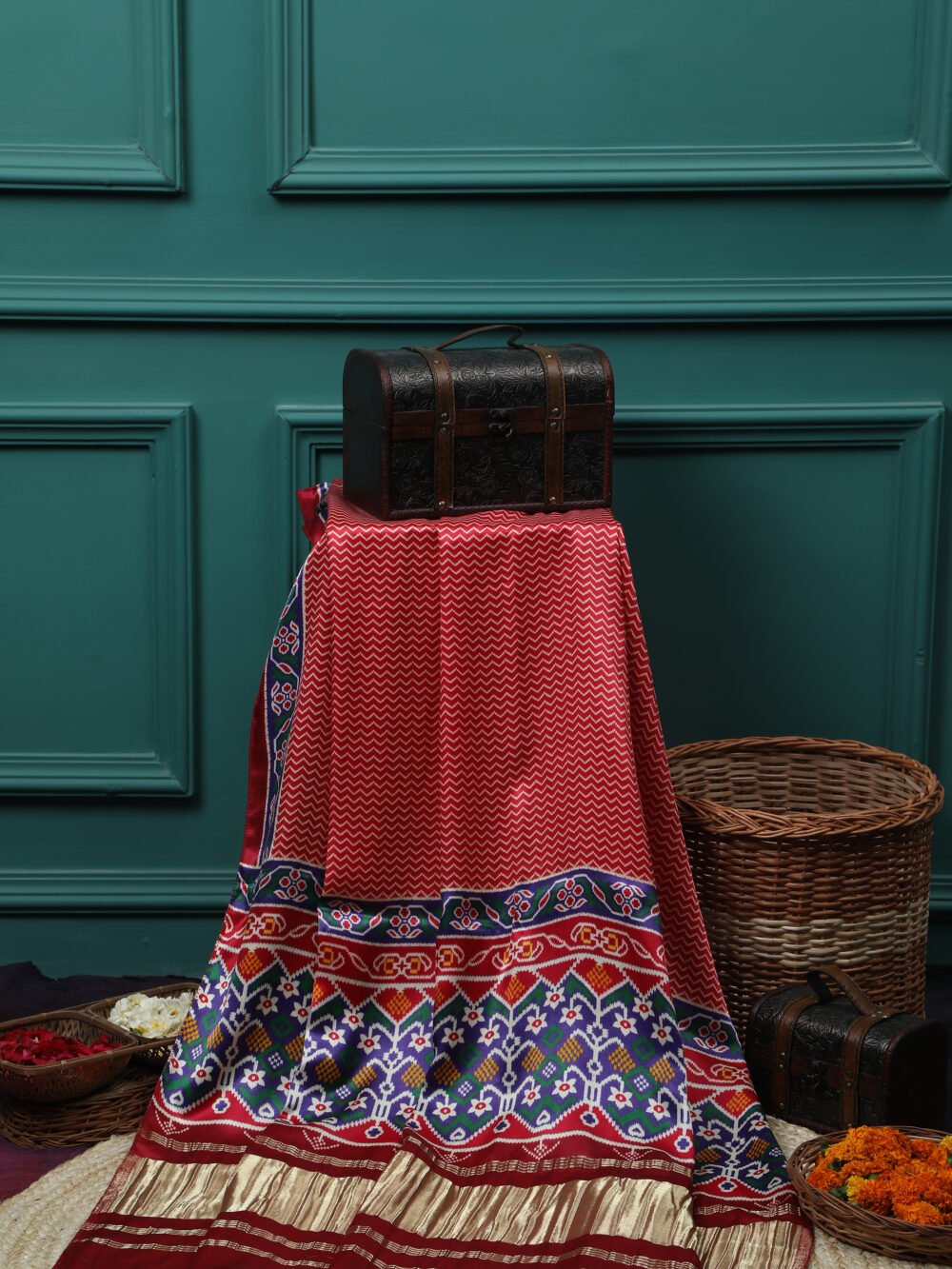

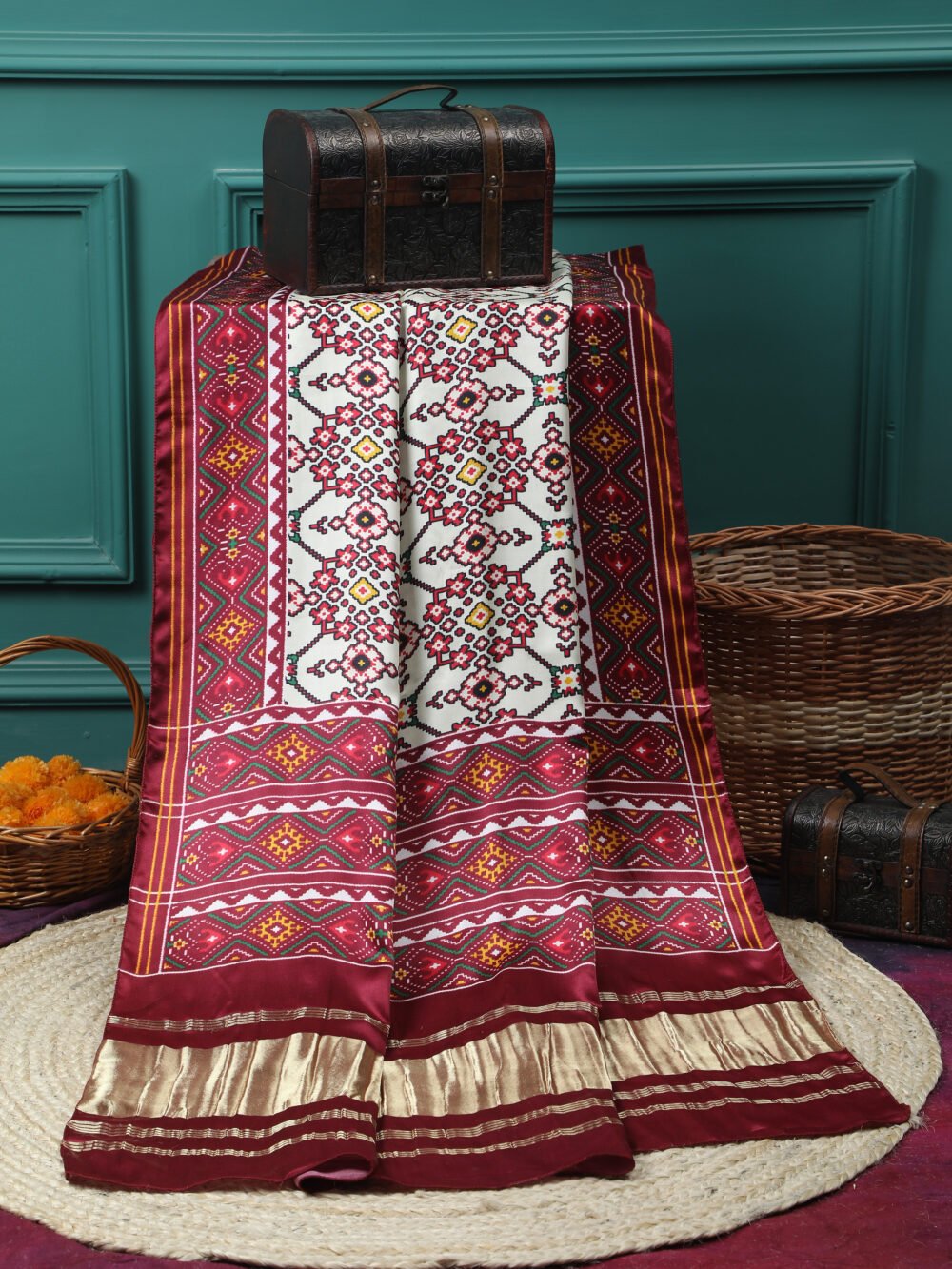
A wholesaler/distributor is not merely a reseller. They are the linchpins of the Patola supply chain — entities that source, curate, aggregate, and distribute pure silk Patola dupattas to a wide network of retailers, designers, exporters, and online platforms.
Their role involves:
1. Authentic Sourcing and Selection
Wholesalers maintain close ties with weaving communities, especially in regions like Patan, Kutch, and other handloom clusters. They personally oversee or partner with agents who visit weaving units to procure authentic pure silk Patola dupattas. This involves selecting pieces for:
- Authentic double ikat weaving
- High-grade silk quality
- Balanced motifs and even dyeing
- Color combinations that will appeal to contemporary buyers
Selection is not random — it is skill-based and requires a deep understanding of weaving techniques, design authenticity, and market trends.
2. Quality Assurance and Grading
Once procured, each dupatta is meticulously inspected for:
- Silk purity
- Symmetry of ikat design
- Color consistency
- Finishing quality
- Length and width standards
Wholesalers often grade products into categories such as premium, standard, and budget segments, making it easier for retailers and bulk buyers to choose based on price and positioning.
3. Pricing and Value Structuring
Because wholesalers deal in bulk, they play a critical role in pricing — ensuring that pricing reflects not only the cost of raw materials and weaving labor but also the cultural value of the product. This requires expertise, market insight, and ethical transparency.
4. Distribution and Network Management
Distributors curate catalogs, maintain stock inventories, and manage orders from retail chains, boutiques, export houses, and e-commerce sellers. They facilitate:
- Timely dispatches
- Logistic coordination
- Customized orders for festivals and wedding seasons
- Trial stocks for new retailers
Their network often spans tier-1, tier-2, and even international markets.
5. Market Intelligence and Trend Forecasting
Understanding demand trends — colors, motifs, new patterns, or fusion designs — gives wholesalers a competitive edge. They blend tradition with current fashion sensibilities, advising weavers on what styles sell best and what buyers are seeking.
The Journey of a Patola Dupatta from Loom to Market


Understanding the supply chain highlights the value a wholesaler/distributor creates:
1. Creation by the Weaver
Master weavers — custodians of generations-old skills — dye and weave patterns that can take anywhere from weeks to months to complete. Each thread is carefully tied, dyed, and woven to achieve flawless ikat patterns.
2. Procurement by the Wholesaler
Once ready, wholesalers evaluate these handloom pieces for authenticity, quality, and market suitability. This is a relationship based on trust, consistent business, and mutual respect.
3. Categorization and Grading
Wholesalers then catalog these dupattas — drawing distinctions based on design complexity, silk grade, and pricing tier.
4. Distribution to Retailers and Designers
From Surat, these inventories are distributed to fashion houses, e-stores, boutique retailers, and sometimes directly to buyers through trade shows or exhibitions.
5. Sale to the End Customer
Final retail consumers purchase these dupattas for weddings, festivals, cultural occasions, and fashion statements. Many buyers cherish Patola dupattas as heirloom pieces due to their unmatched craftsmanship and longevity.
Why the Role of Wholesalers / Distributors Matters

Without wholesalers and distributors:
- Many handcrafted dupattas would remain confined to weaving clusters
- Retailers would struggle to find consistent, quality stock
- Weavers would lack regular demand and pricing certainty
Wholesalers serve as cultural custodians, ensuring that handcrafted artistry is preserved, fairly priced, and accessible to varied markets.
Challenges Faced by Wholesalers / Distributors
Like all linkages in a traditional craft ecosystem, there are challenges:
1. Competition from Imitations
Machine-printed dupattas that mimic Patola motifs flood the market at much lower prices, making it harder for authentic silk pieces to compete purely on cost.
2. Price Volatility
Pure silk prices can fluctuate due to global silk supply dynamics, impacting margins for wholesalers and cost structures for buyers.
3. Skilled Weaver Shortage
With younger generations shifting to other professions, sustaining high levels of weaving artistry is an ongoing concern.
4. Market Education
Not all buyers understand the value of pure silk, double ikat Patola. Educating customers and retailers about craftsmanship and heritage is a continuous effort.
Despite these challenges, many wholesalers innovate by:
- Offering digital catalogs
- Partnering with fashion designers
- Participating in trade fairs
- Customizing color palettes and motifs based on demand
Emerging Trends in Patola Distribution
Modern wholesalers are adapting to new business realities:
1. E-Commerce Integration
Online platforms provide a wider audience, enabling wholesalers to showcase their collections across regions without physical barriers.
2. Collaborative Collections
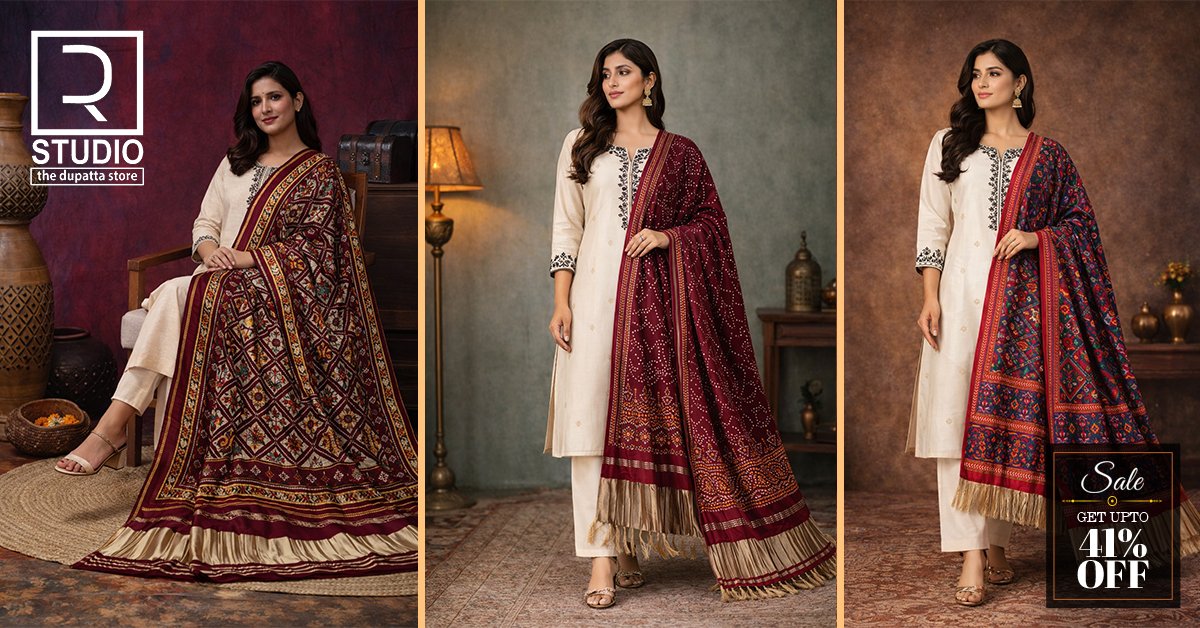
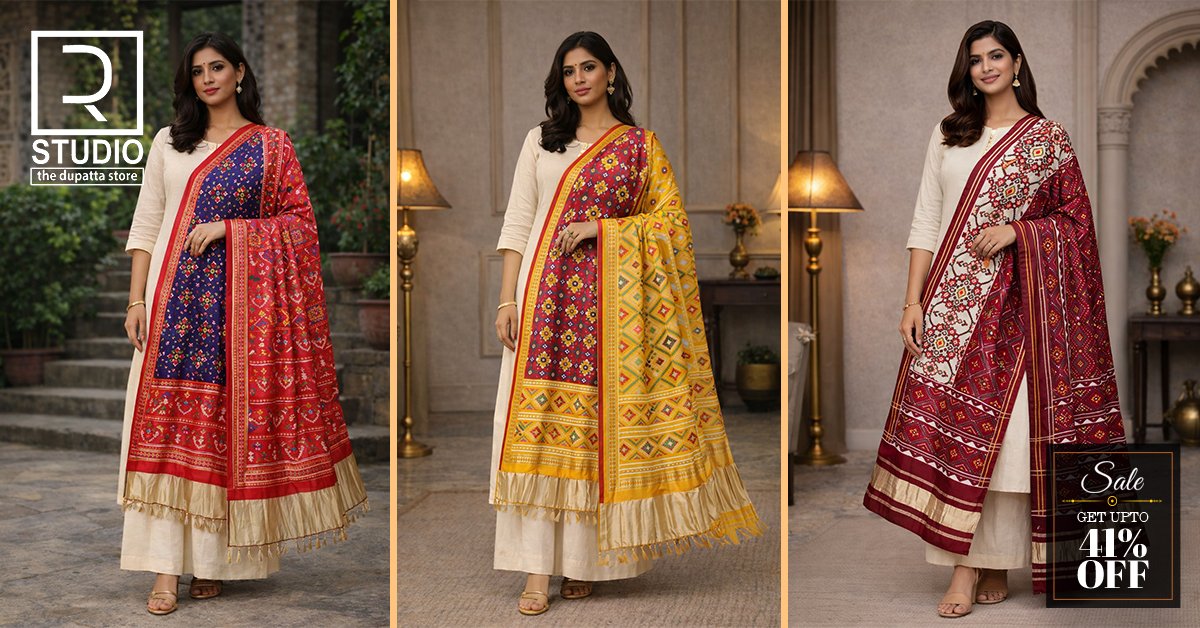
Working with designers who incorporate Patola in contemporary silhouettes — dresses, skirts, and modern fusion wear — expands market reach beyond traditional dupattas.
3. Customized and Limited Editions
Limited runs of exclusive designs create demand among collectors and fashion enthusiasts.
A Pure Silk Patola Dupatta Wholesaler / Distributor from Surat is much more than a middleman. They are curators of heritage, connectors between artisans and markets, and champions of quality and authenticity. Through strategic sourcing, quality assurance, distribution discipline, and market foresight, these professionals ensure that the timeless beauty of pure silk Patola dupattas continues to adorn the wardrobes of discerning buyers everywhere.
In a global marketplace where mass production often overshadows craftsmanship, the work of these wholesalers preserves not only a textile tradition but also the livelihood of countless weavers — weaving threads of culture, commerce, and continuity.

Leave a comment