
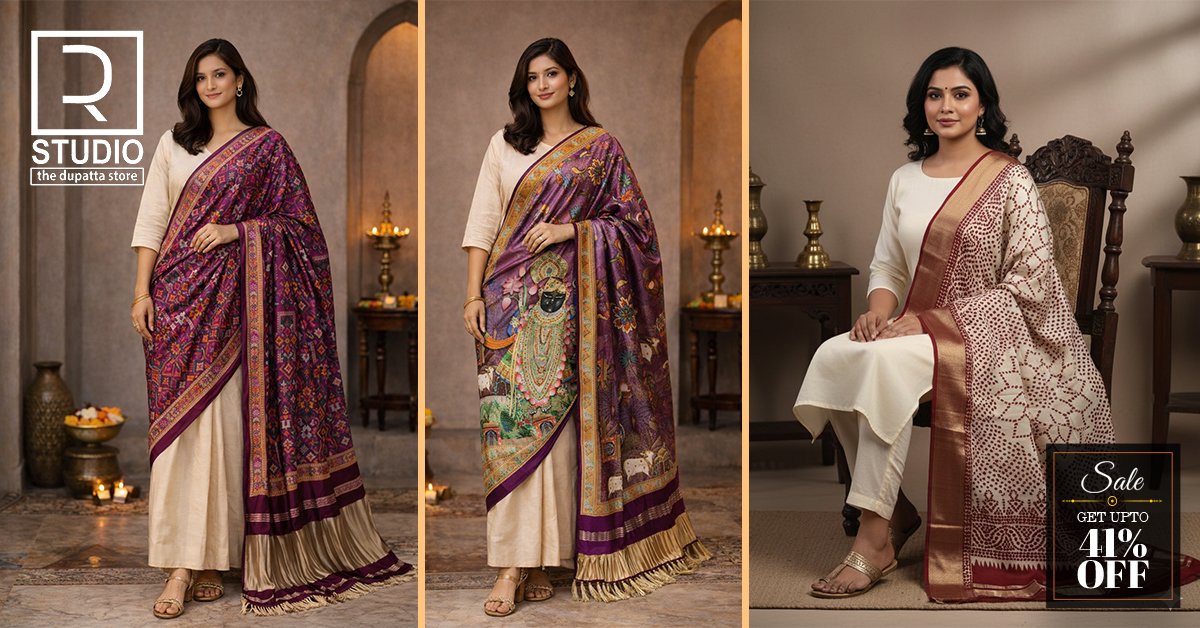
When it comes to Indian ethnic fashion, a suit set is timeless. Whether it’s a classic salwar suit, Anarkali, straight-cut kurta, or sharara set, suits are versatile, comfortable, and perfect for every occasion. But what truly elevates a simple suit into a stunning ensemble? The answer is — the dupatta.
A beautifully styled dupatta can completely transform your outfit. The right draping style adds grace, structure, and personality to your look. At RStudio (rstudio.in.net), we believe that mastering dupatta draping is the key to standing out effortlessly during weddings, festive occasions, and family gatherings.
Here are 5 elegant dupatta draping styles that will instantly elevate your suit look.
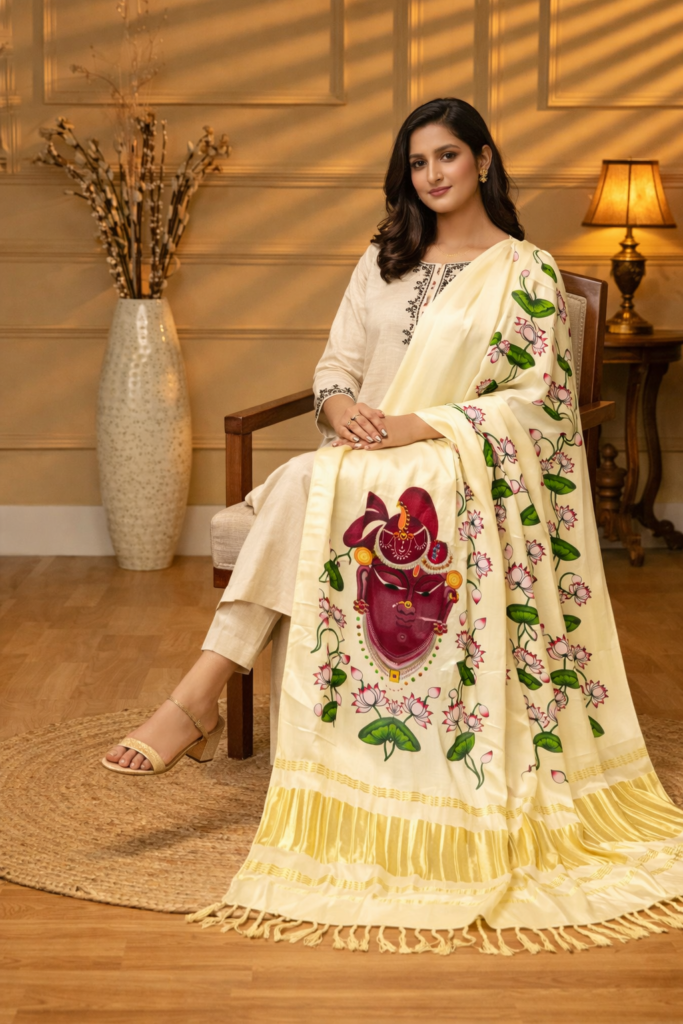
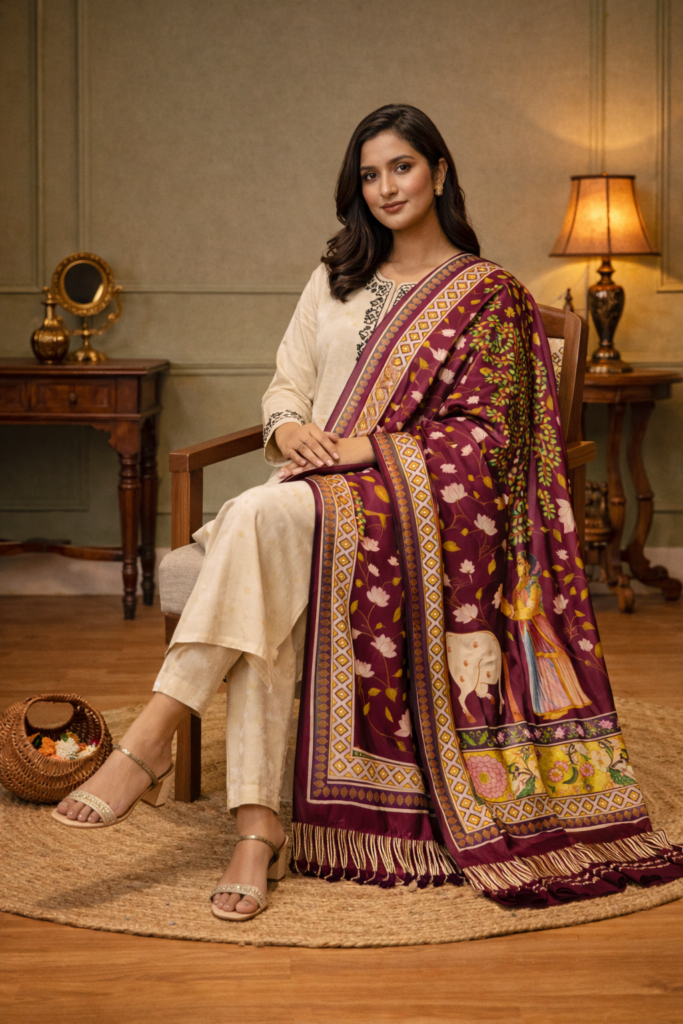
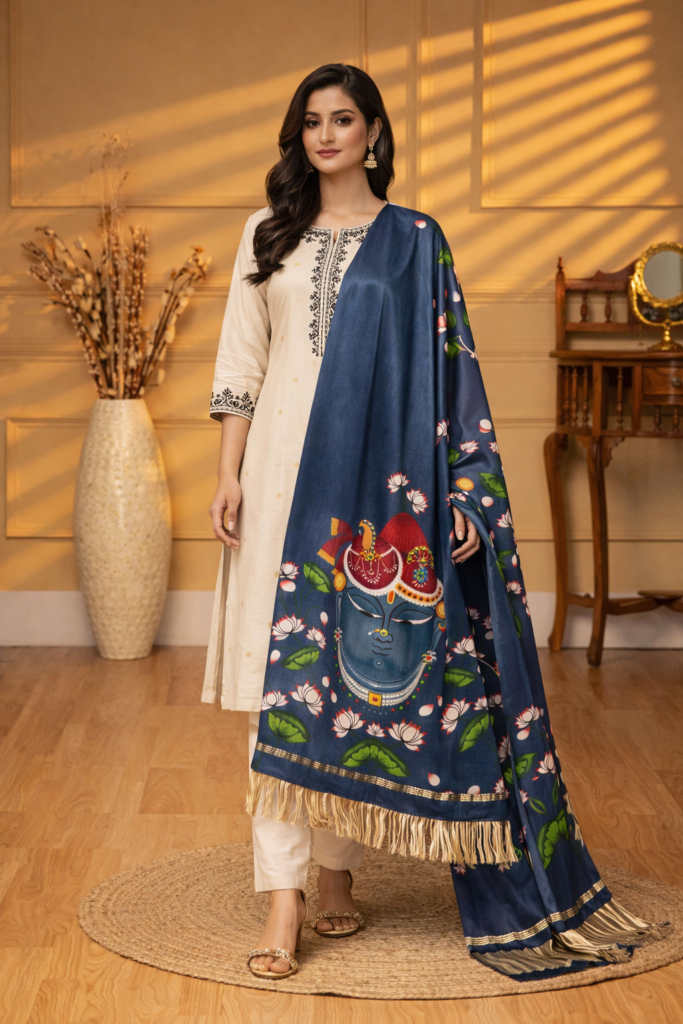
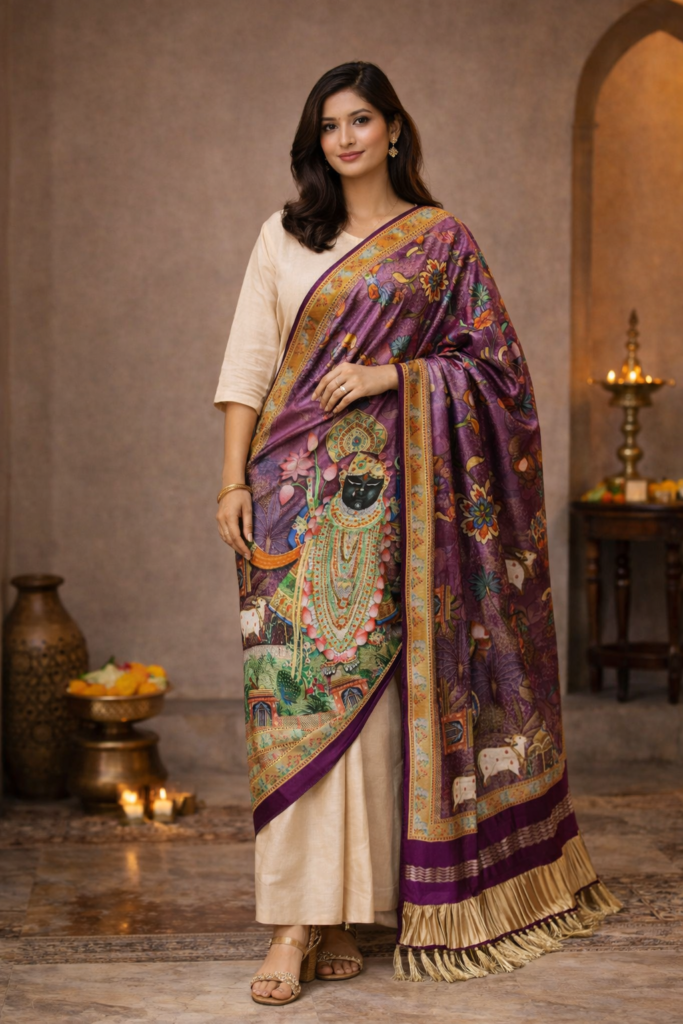
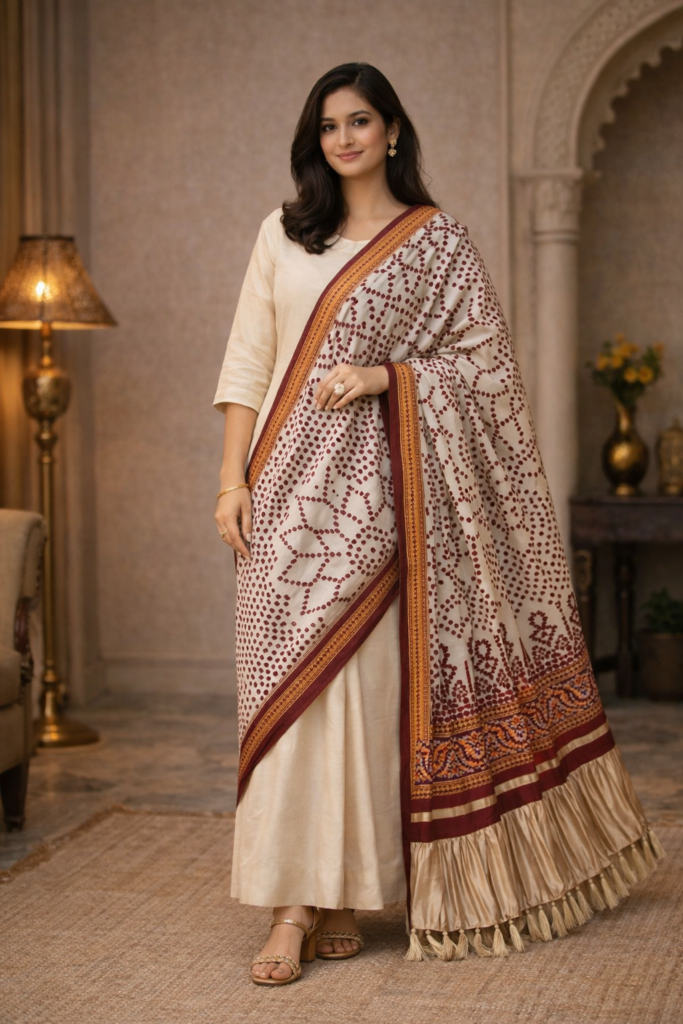
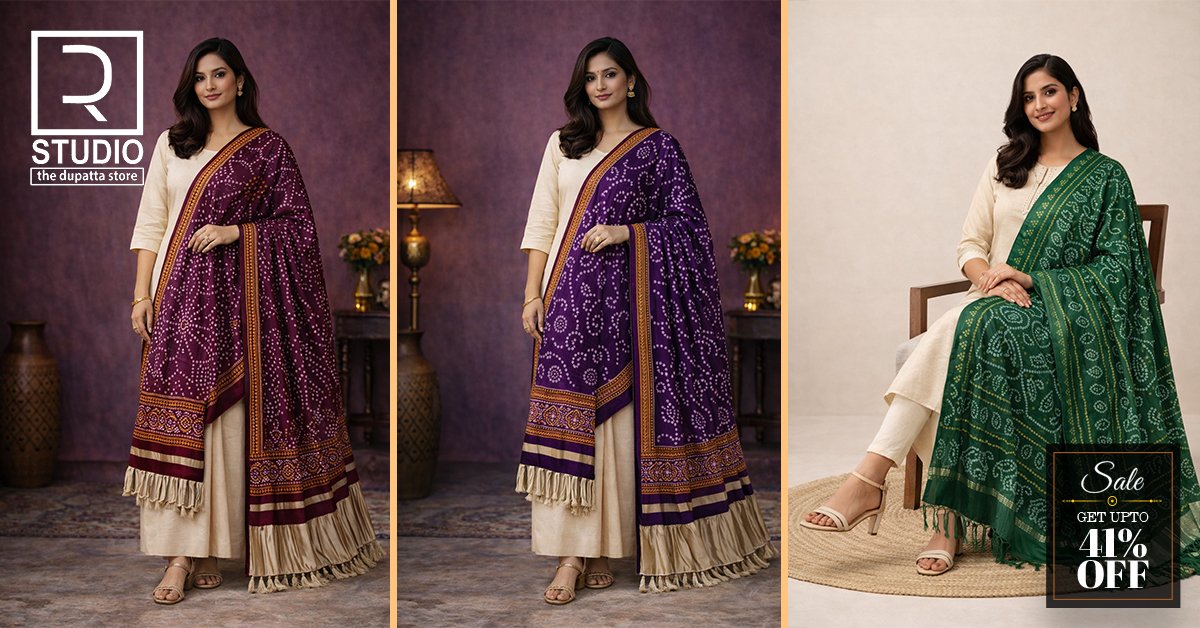
1. The Classic One-Side Shoulder Drape
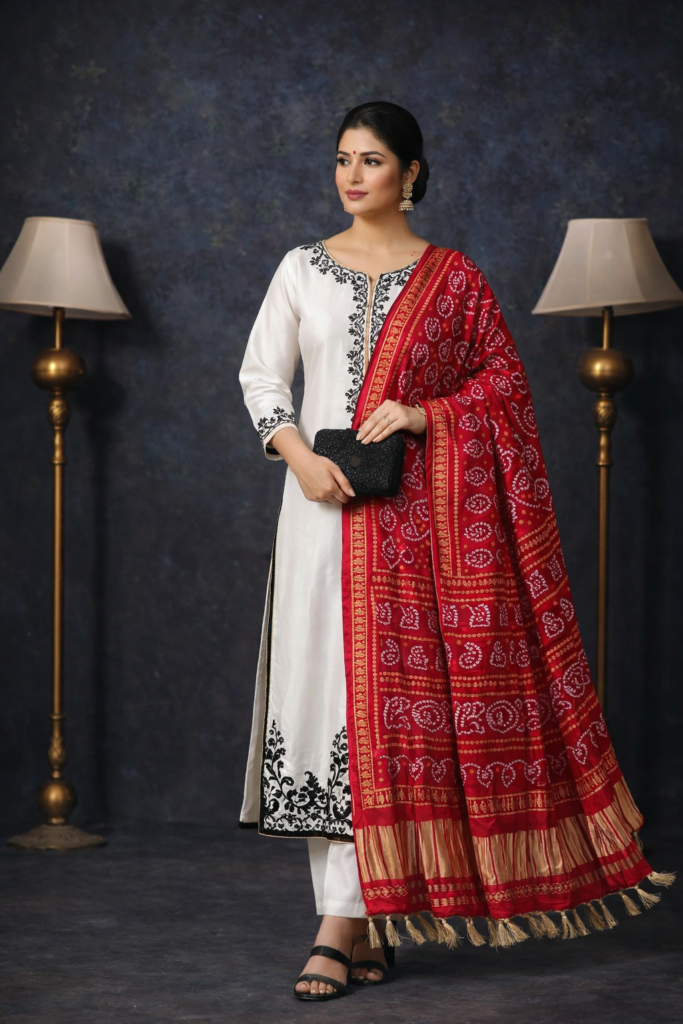
This is the most timeless and widely loved dupatta style. Simple yet graceful, the one-side shoulder drape works beautifully with almost every type of suit.
How to Style It:
- Place the dupatta over one shoulder.
- Let it flow naturally at the back.
- If needed, secure it with a small pin.
Why It Works:
- Effortless and elegant
- Perfect for daily wear and festive events
- Comfortable for long hours
If your dupatta has intricate borders or embroidery, allow the detailed edge to fall in front to highlight the craftsmanship. This style works exceptionally well with straight-cut suits and Anarkalis.
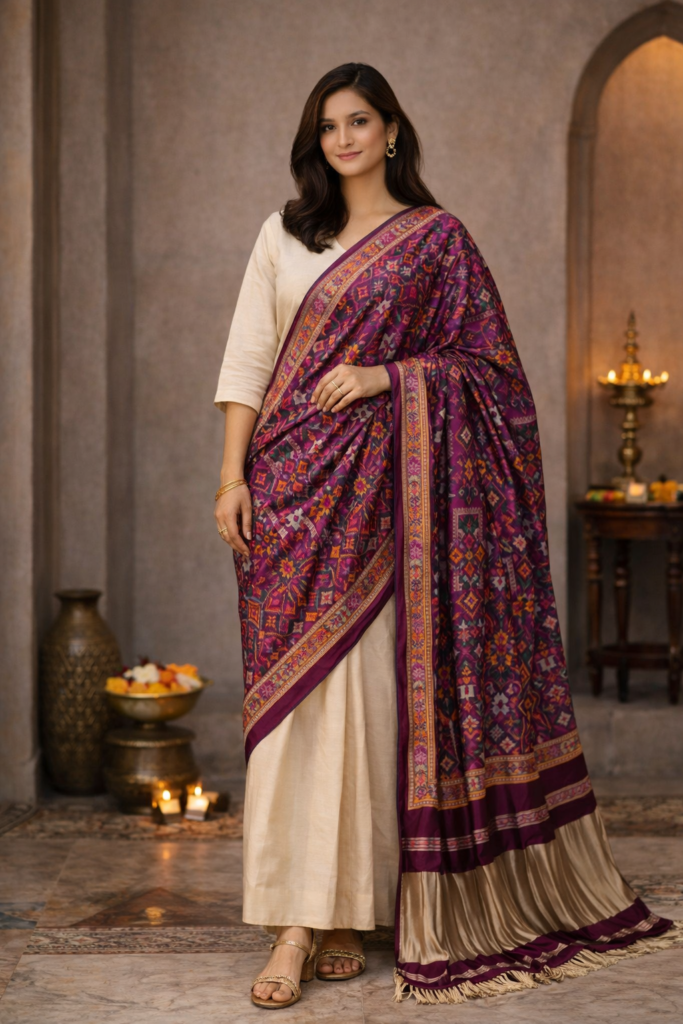
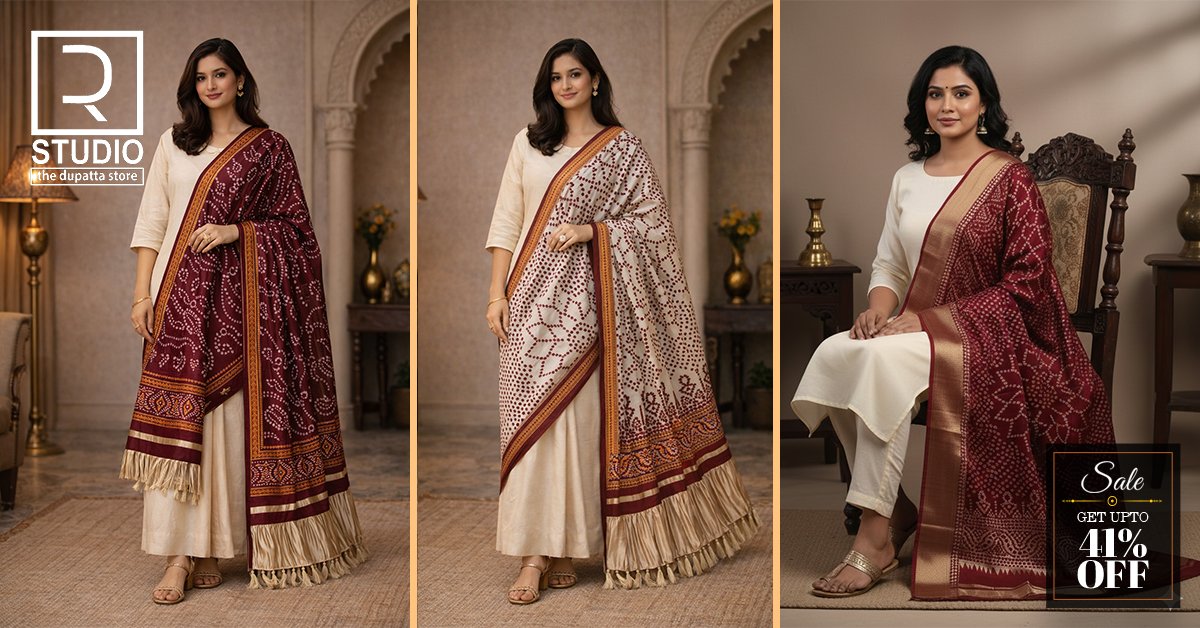
2. The Front Open (Both-Shoulder) Drape
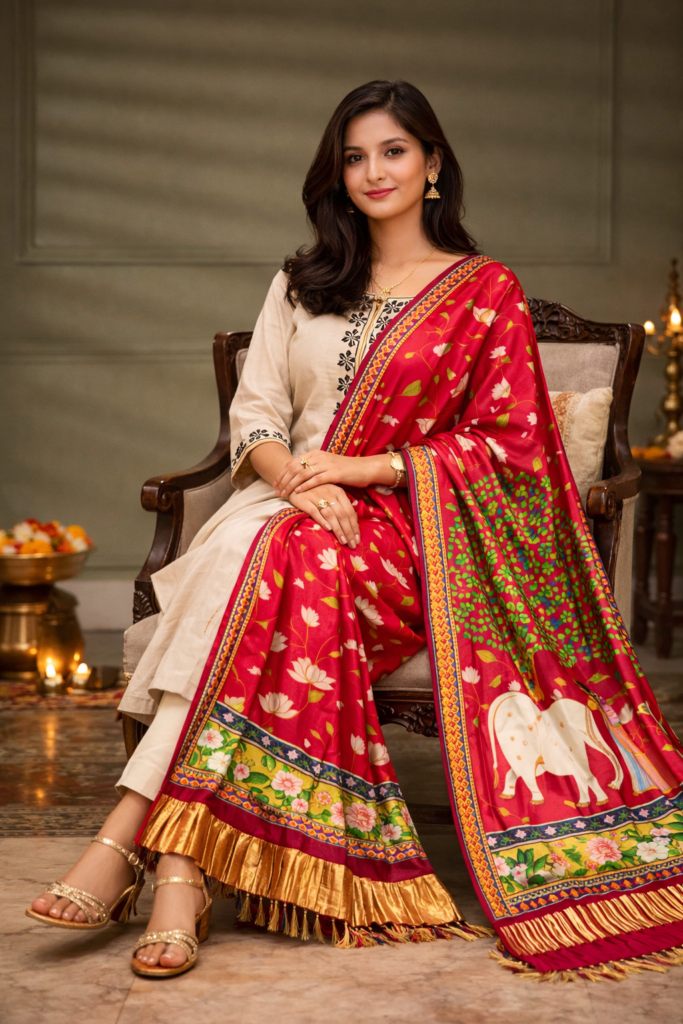
For a more balanced and traditional look, drape your dupatta evenly over both shoulders so that it falls symmetrically in the front.
How to Style It:
- Place the dupatta around your neck.
- Adjust both ends equally in front.
- Pin lightly on both shoulders for structure.
Why It Works:
- Creates a modest and refined look
- Showcases detailed embroidery
- Ideal for religious ceremonies and family functions
This style is perfect when wearing heavily embroidered or silk dupattas. It adds structure and makes your outfit look polished and festive.
3. The Belted Dupatta Style
One of the most trending draping techniques today is the belted dupatta. It combines tradition with modern fashion.
How to Style It:
- Drape the dupatta over one shoulder or both shoulders.
- Secure it at the waist with a stylish belt or kamarbandh.
Why It Works:
- Defines your waistline
- Keeps the dupatta secure
- Adds a contemporary twist
This style is perfect for weddings, receptions, and festive celebrations. It prevents constant adjustment and gives your outfit a structured silhouette.
Pair this drape with a flared suit or Anarkali for maximum impact.
4. The Saree-Style Dupatta Drape
If you love the elegance of a saree but prefer the comfort of a suit, this draping style is perfect for you.
How to Style It:
- Tuck one end of the dupatta at the waist.
- Wrap it across your torso.
- Drape it over the opposite shoulder like a saree pallu.
Why It Works:
- Creates a graceful and elongated silhouette
- Adds drama and sophistication
- Perfect for formal occasions
This drape works best with flowy fabrics like georgette, chiffon, or organza. It transforms your regular suit into a statement outfit suitable for evening events and festive gatherings.
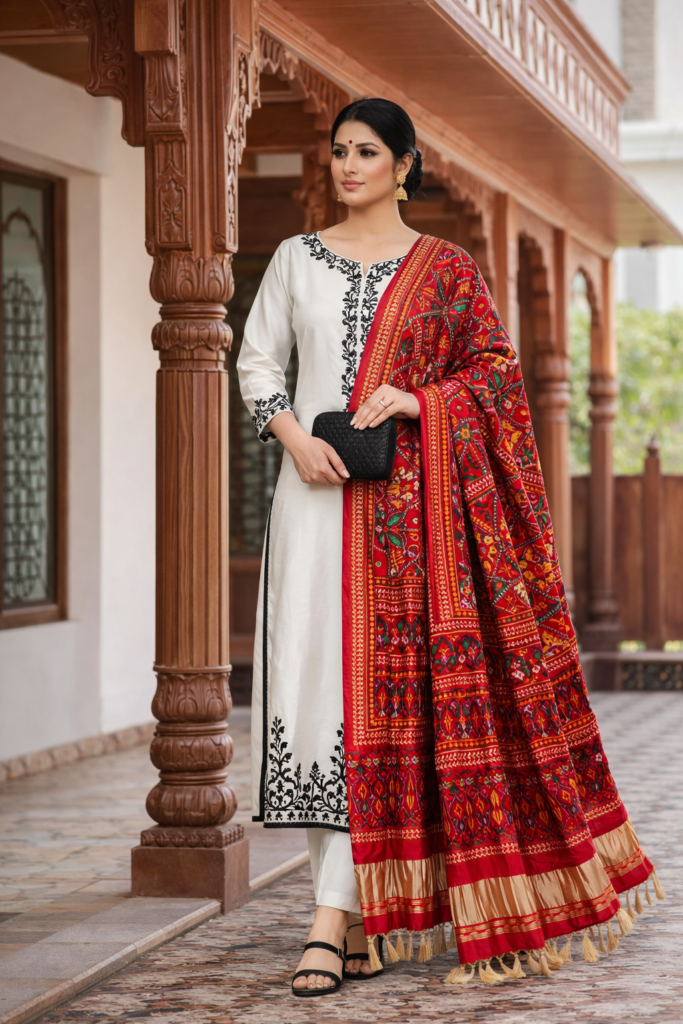
5. The Pleated & Pinned Elegant Drape
For a clean, structured look, pleating your dupatta neatly and pinning it securely is a fantastic option.
How to Style It:
- Make neat pleats along the width of the dupatta.
- Pin the pleated edge on one shoulder.
- Let the rest fall gracefully behind.
Why It Works:
- Looks polished and formal
- Keeps the dupatta in place
- Ideal for office events or formal celebrations
This style works especially well with heavier fabrics like silk or Banarasi dupattas. It highlights borders and intricate weaving beautifully.
Choosing the Right Dupatta for the Perfect Drape
The draping style is important, but so is the fabric and design of your dupatta.
Silk Dupattas
Best for structured drapes like pleated or front-open styles. Perfect for weddings and receptions.
Organza Dupattas
Crisp and elegant. Ideal for belted or saree-style drapes.
Georgette & Chiffon Dupattas
Lightweight and flowy. Perfect for casual and festive shoulder drapes.
Embroidered Dupattas
Best showcased in front-open or pleated styles to highlight detailing.
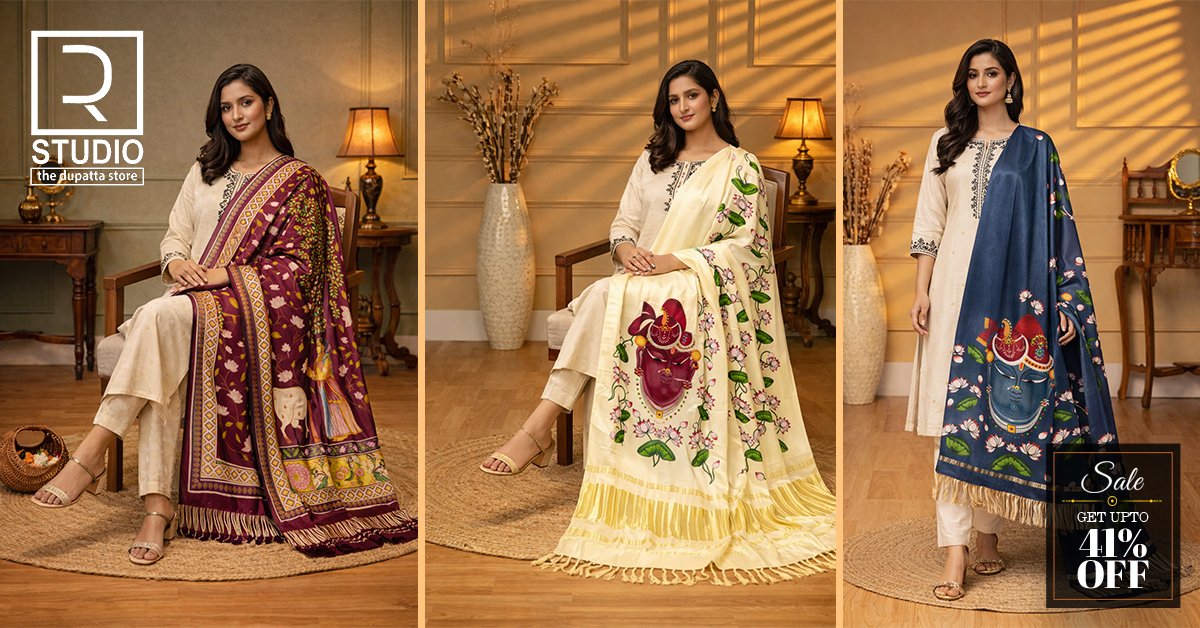
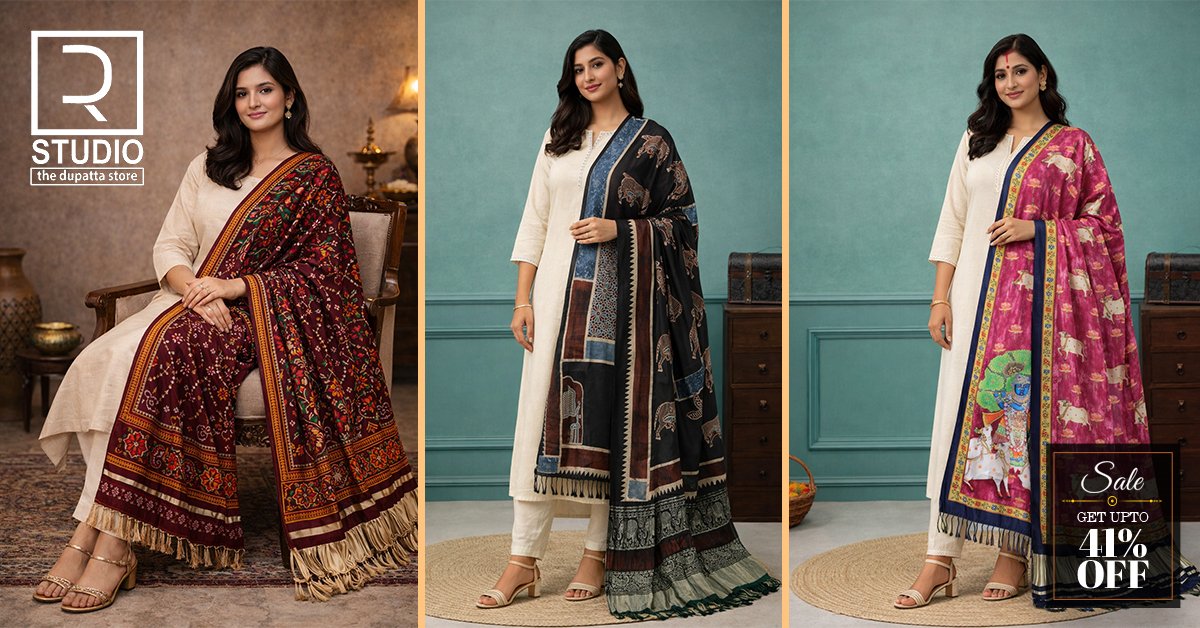
At RStudio (rstudio.in.net), our designer dupattas are crafted to suit various draping styles, making it easy for you to experiment with elegance.
Styling Tips to Elevate Your Suit Look Further
1. Play with Contrasts
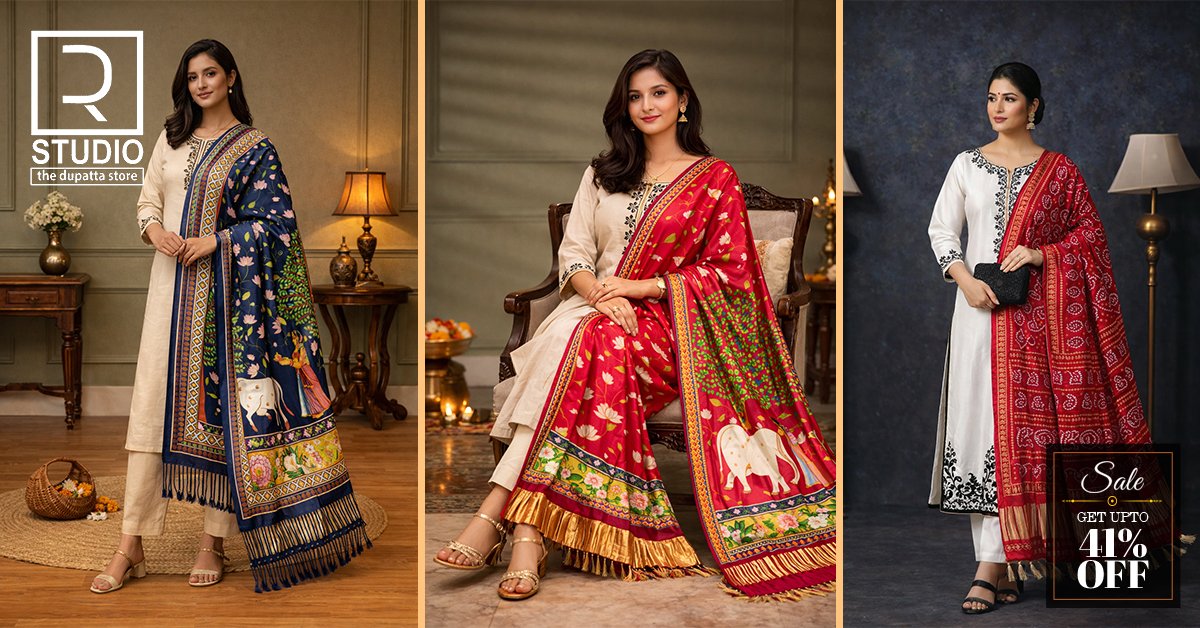
Pair a neutral suit with a vibrant dupatta. For example:
- Beige suit with red dupatta
- White suit with royal blue dupatta
- Green suit with pink dupatta
Contrast styling creates a bold and festive appearance.
2. Focus on Proportions
If your suit is heavily embroidered, choose a lighter dupatta.
If your suit is simple, go for a detailed and embellished dupatta.
3. Use Minimal Pins
While pinning is important for structure, avoid over-pinning. Keep it neat and comfortable.
4. Accessorize Smartly
Heavy earrings and minimal neckpieces work beautifully when your dupatta has intricate detailing.
Why Dupatta Styling Matters
Dupatta draping is not just about appearance—it reflects your personal style.
- Loose and flowy drape = graceful and relaxed
- Structured pleats = confident and classic
- Belted style = bold and trendy
- Saree-style wrap = elegant and sophisticated
By simply changing your drape, you can create multiple looks with the same suit.
A suit may form the base of your outfit, but the dupatta completes the story. The way you drape it can make the difference between a simple look and a stunning one.
From the timeless one-shoulder drape to the trendy belted style, these five elegant dupatta draping techniques allow you to experiment and express your individuality. Whether you’re attending a wedding, celebrating a festival, or dressing up for a family function, the right drape enhances your confidence and elegance.
At RStudio (rstudio.in.net), we celebrate the beauty of traditional craftsmanship blended with modern fashion. Explore designer dupattas that help you create graceful, stylish, and unforgettable looks.
Because sometimes, all you need to elevate your suit look is the perfect dupatta—and the perfect drape.
Leave a comment