
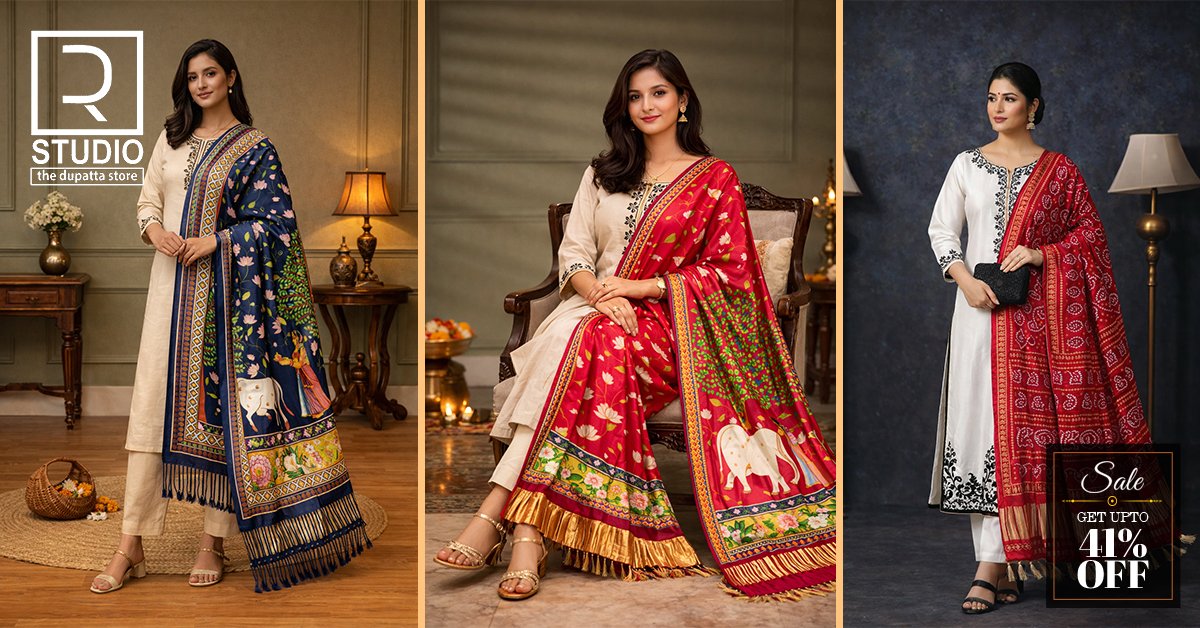
A dupatta is more than just a piece of fabric—it’s a symbol of grace, tradition, and timeless elegance in Indian fashion. Whether paired with a salwar suit, lehenga, sharara, or even fusion wear, the way you drape your dupatta can completely transform your look.
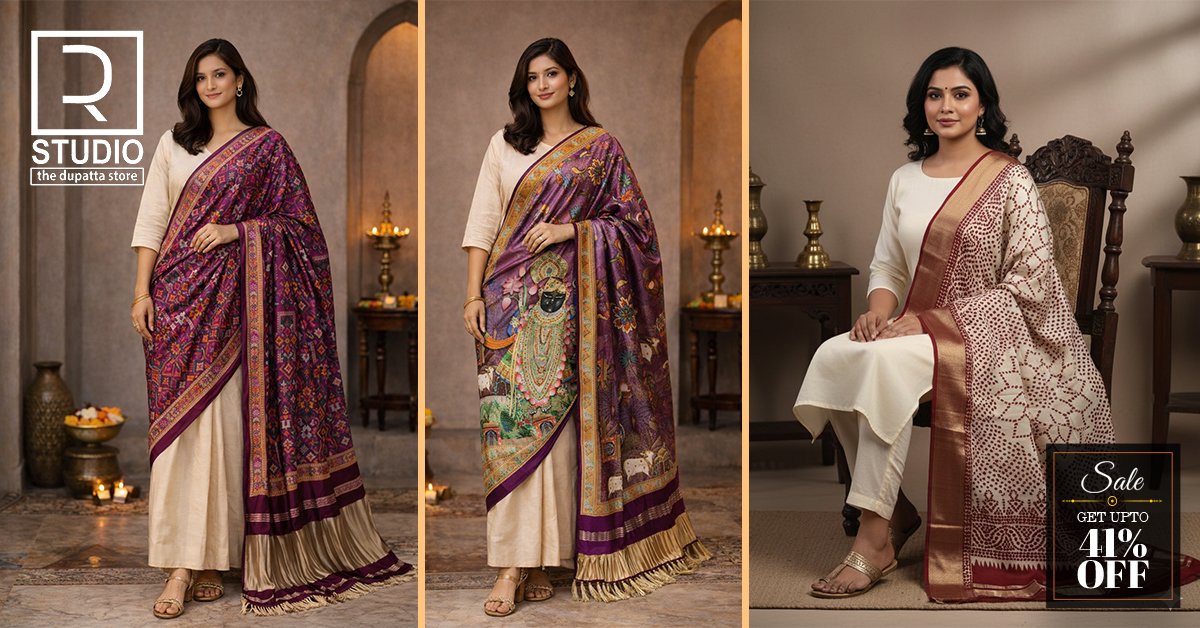
At RStudio (rstudio.in.net), we understand that styling a dupatta is an art. From weddings and festive celebrations to casual gatherings, knowing how to wear a dupatta properly helps you look polished, confident, and stylish.
Here’s your complete guide on how to wear a dupatta, including traditional drapes, modern styles, and practical tips for Indian women.
Why Dupatta Draping Matters
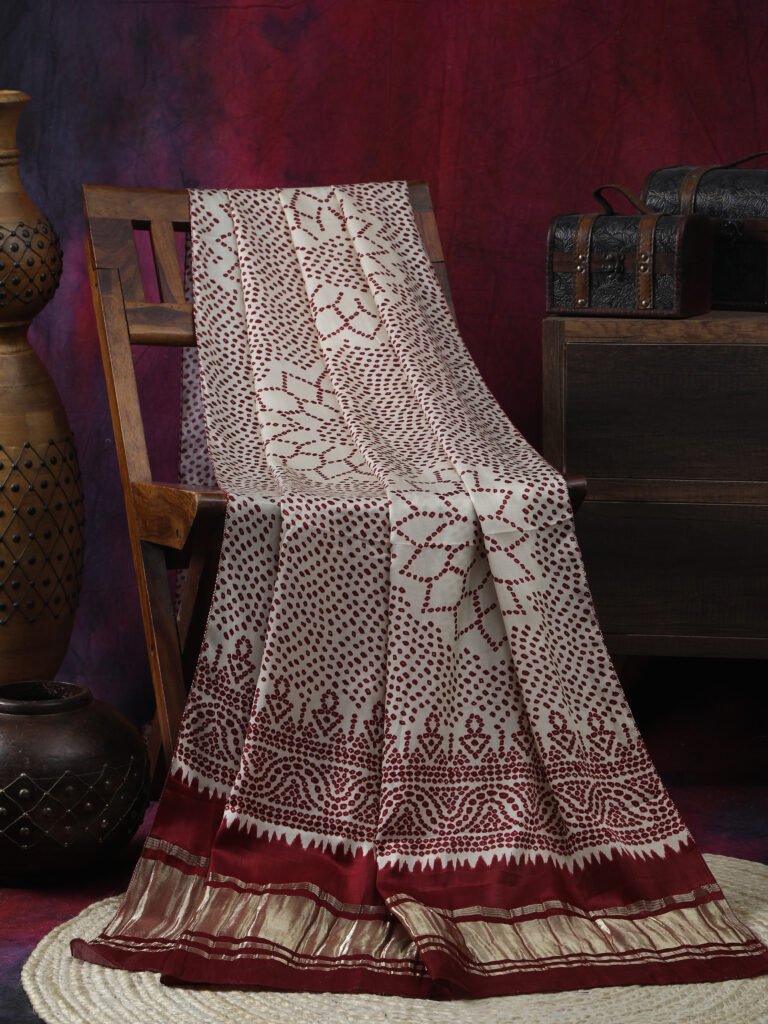
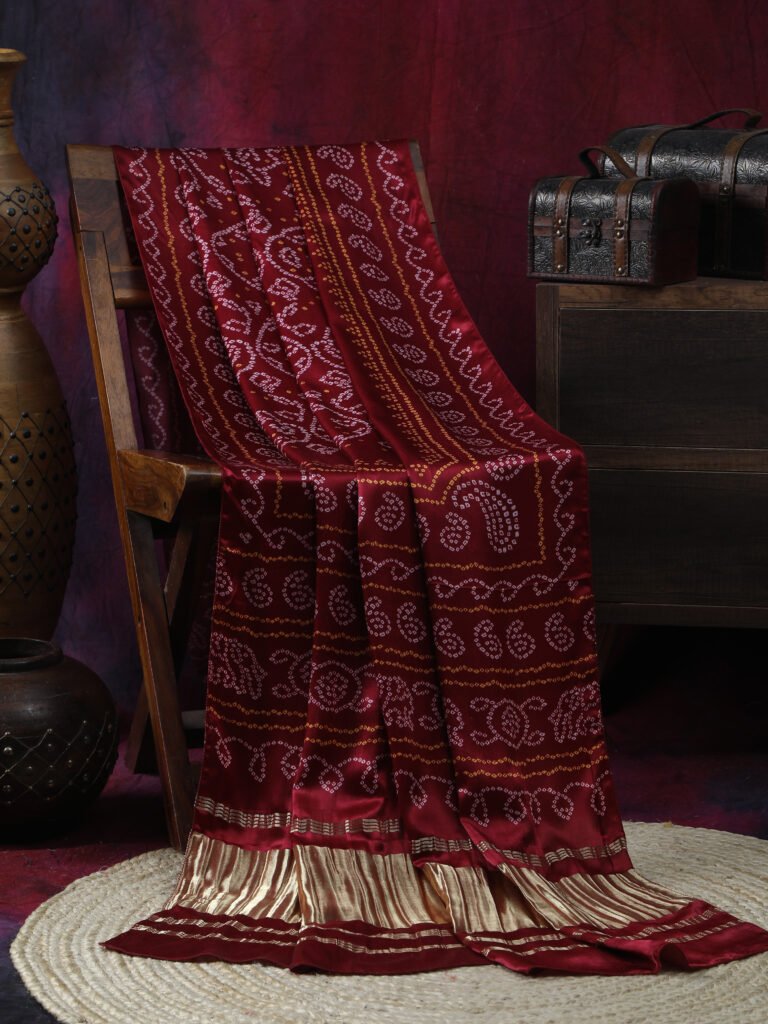
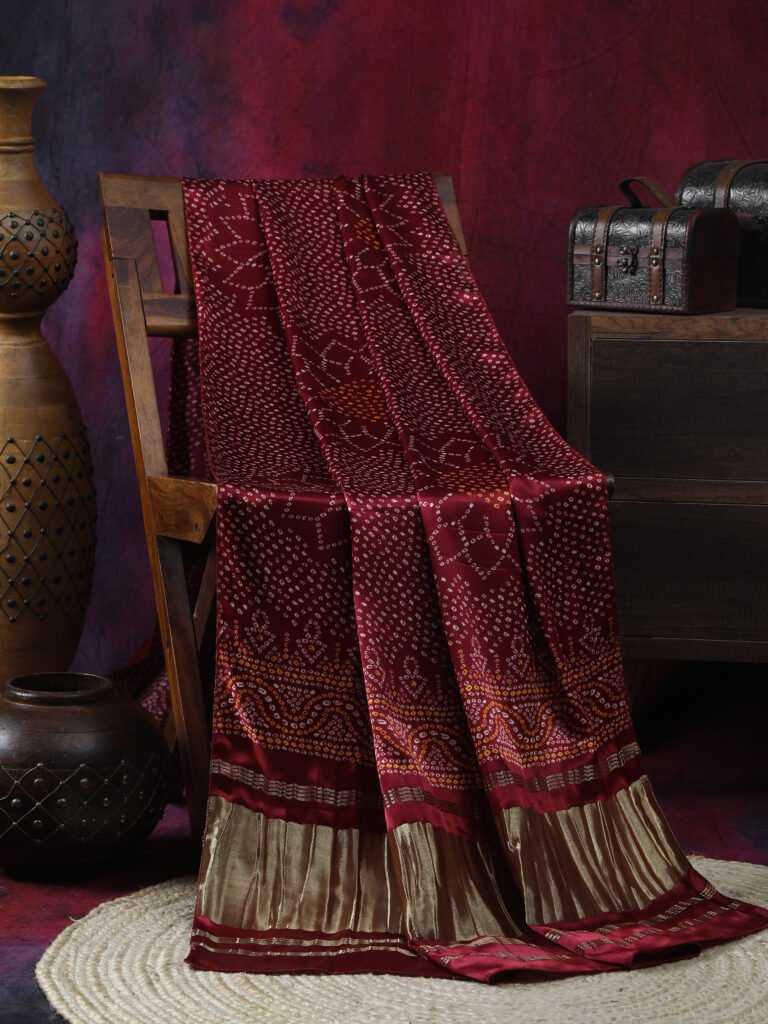
The dupatta frames your outfit and enhances your silhouette. A well-draped dupatta can:
- Add structure to your outfit
- Highlight embroidery and detailing
- Create balance between heavy and light garments
- Elevate a simple look into something grand
Choosing the right drape depends on the occasion, outfit type, and fabric.
Classic Dupatta Draping Styles
1. The Traditional One-Side Shoulder Drape
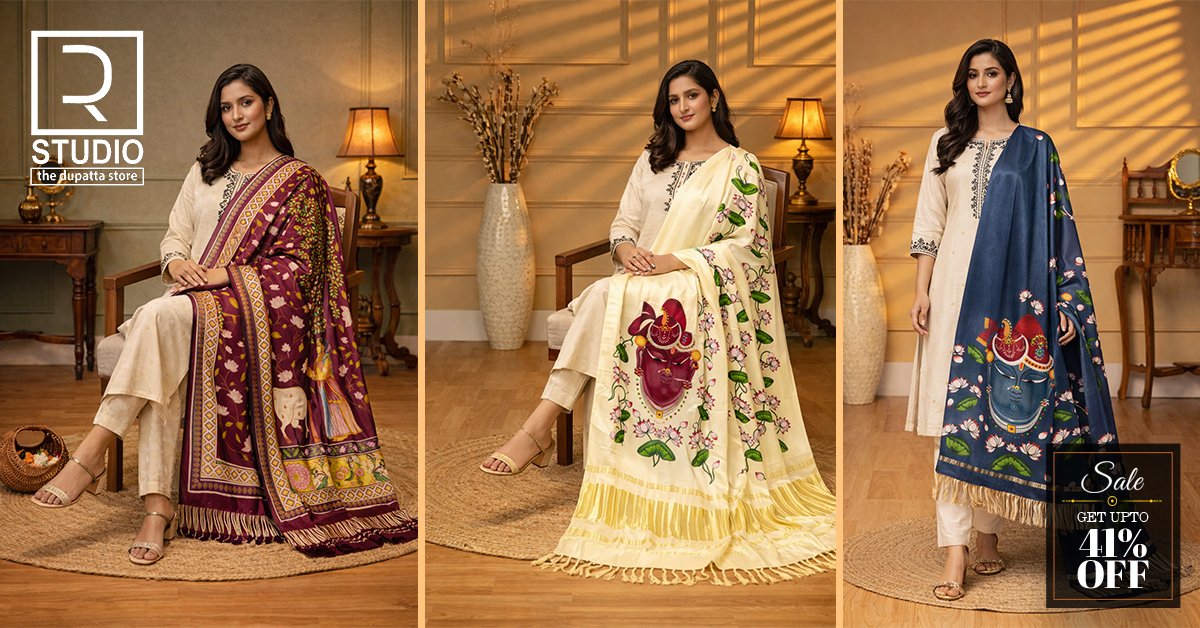
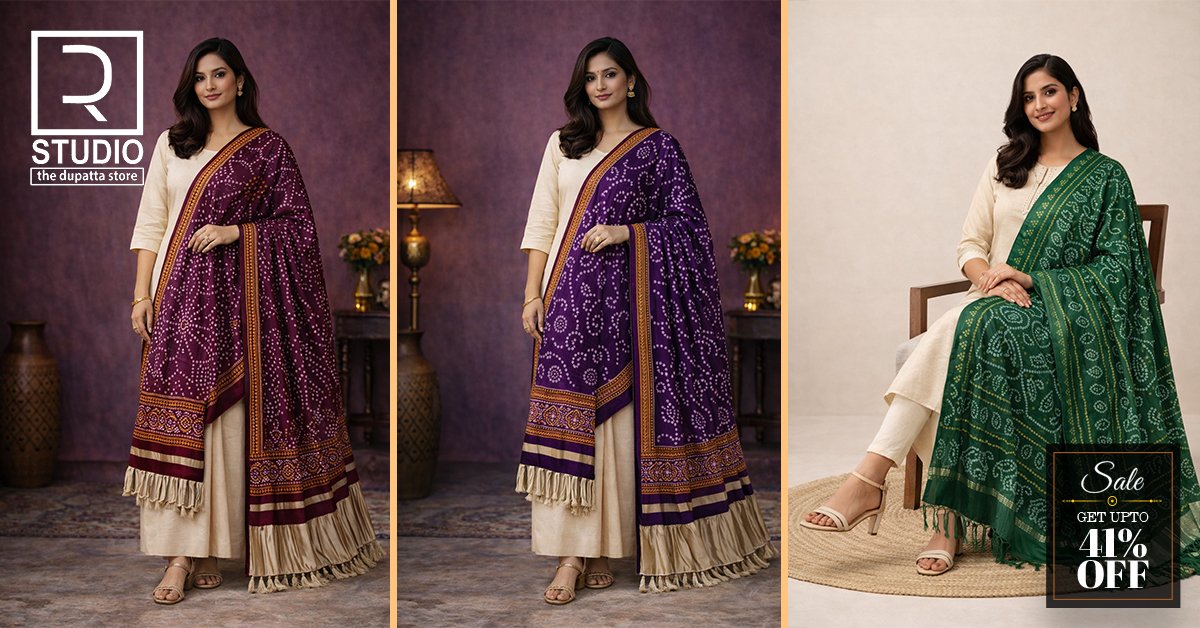
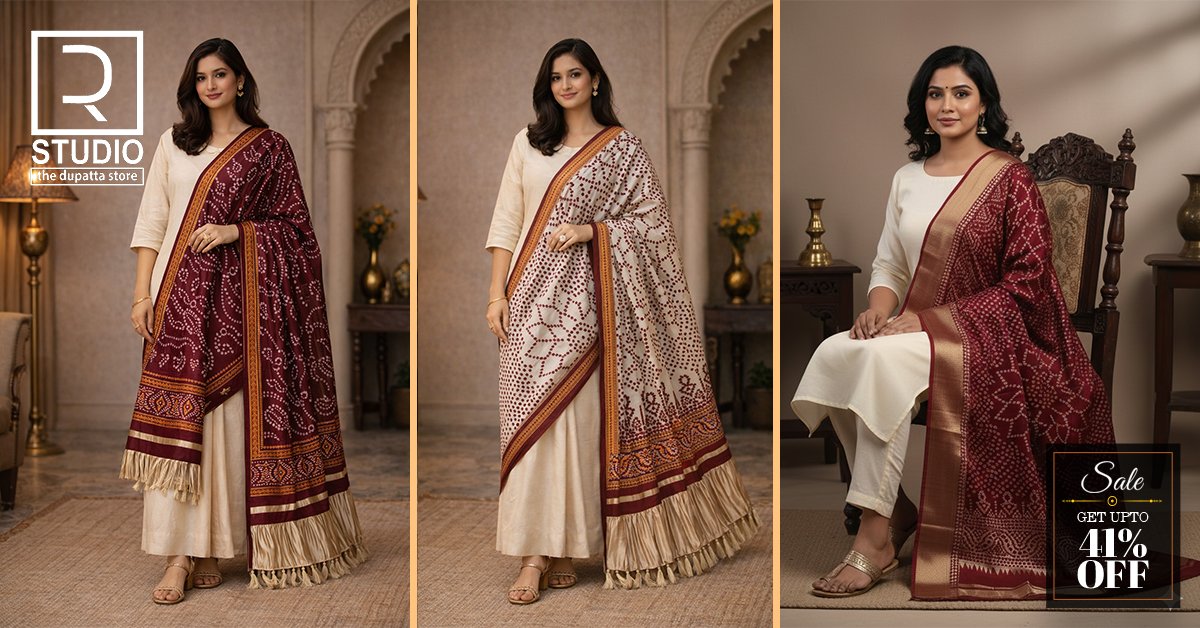
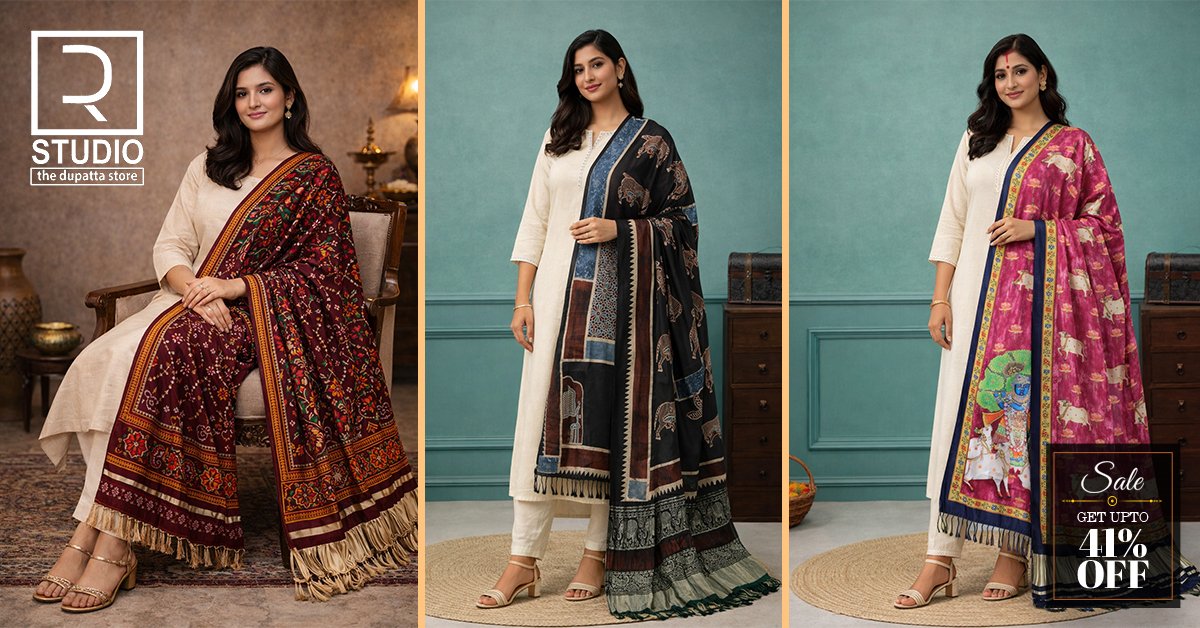
This is the most common and effortless style. Simply place the dupatta over one shoulder and let it fall freely at the back.
Best For:
- Salwar suits
- Anarkali suits
- Light festive wear
This style is comfortable and elegant. If your dupatta has a detailed border, allow it to flow in front to showcase the design.
2. The Front Open Style
In this style, the dupatta is draped evenly over both shoulders, with both ends hanging in front.
Best For:
- Heavy embroidered dupattas
- Formal gatherings
- Temple visits and traditional functions
This style gives a symmetrical and modest appearance while highlighting intricate work.
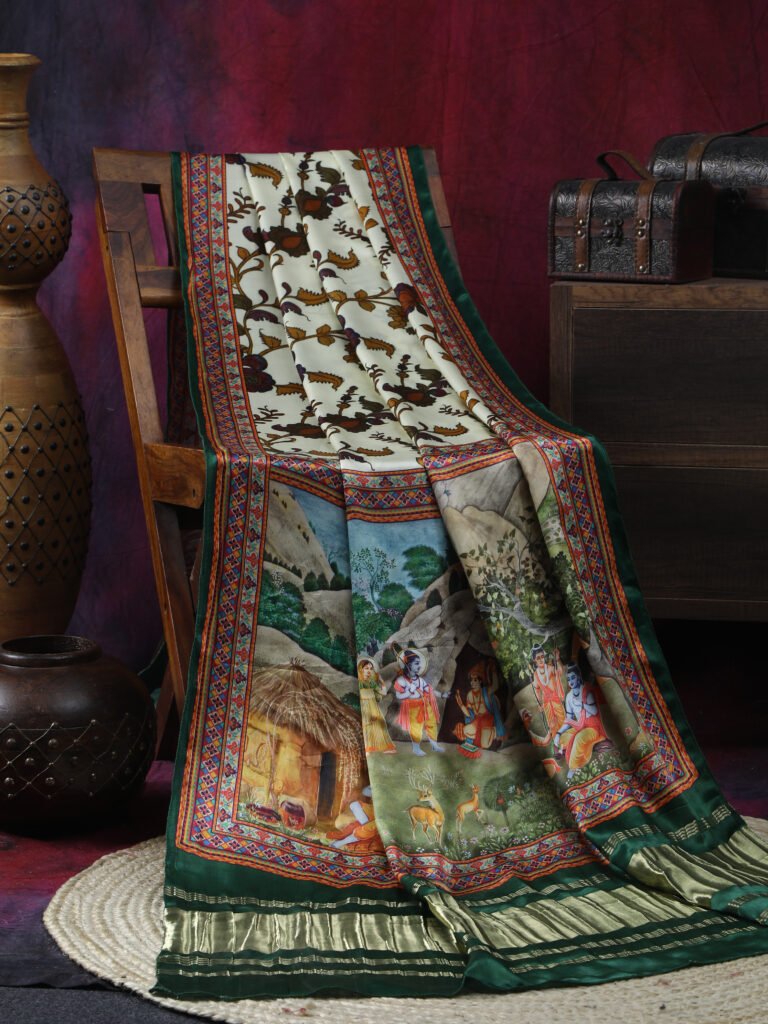
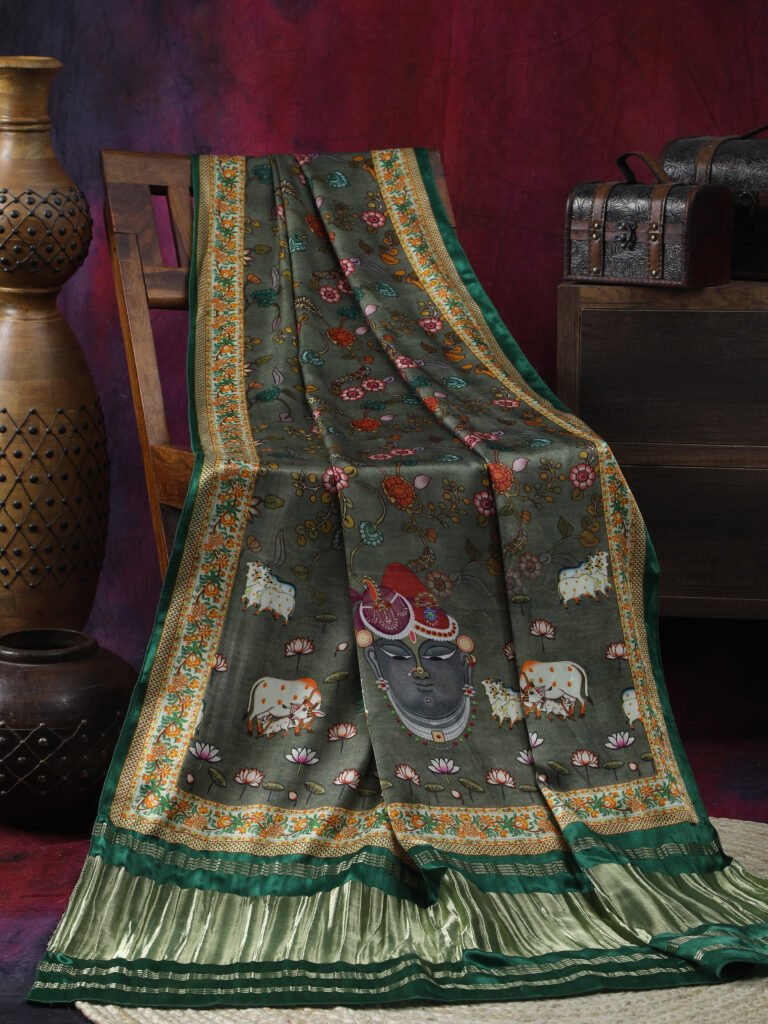
3. The Double Dupatta Bridal Style
Popular among brides, this style uses two dupattas—one draped over the head and one over the shoulder.
Best For:
- Bridal lehengas
- Wedding ceremonies
- Reception looks
This style adds grandeur and depth to the outfit. The head dupatta is usually lighter, while the shoulder dupatta is heavier and richly embroidered.
4. The Belted Dupatta Style
A modern trend, the belted drape secures the dupatta around the waist using a stylish belt or kamarbandh.
Best For:
- Lehengas
- Indo-western outfits
- Sangeet and cocktail functions
This style keeps the dupatta in place and defines your waistline beautifully.
5. The Saree-Style Dupatta Drape
Want a saree look without wearing one? Drape your dupatta across the torso like a saree pallu.
Best For:
- Long skirts
- Crop top and lehenga combinations
- Fusion styling
This style creates a sophisticated silhouette and works beautifully with heavier dupattas.
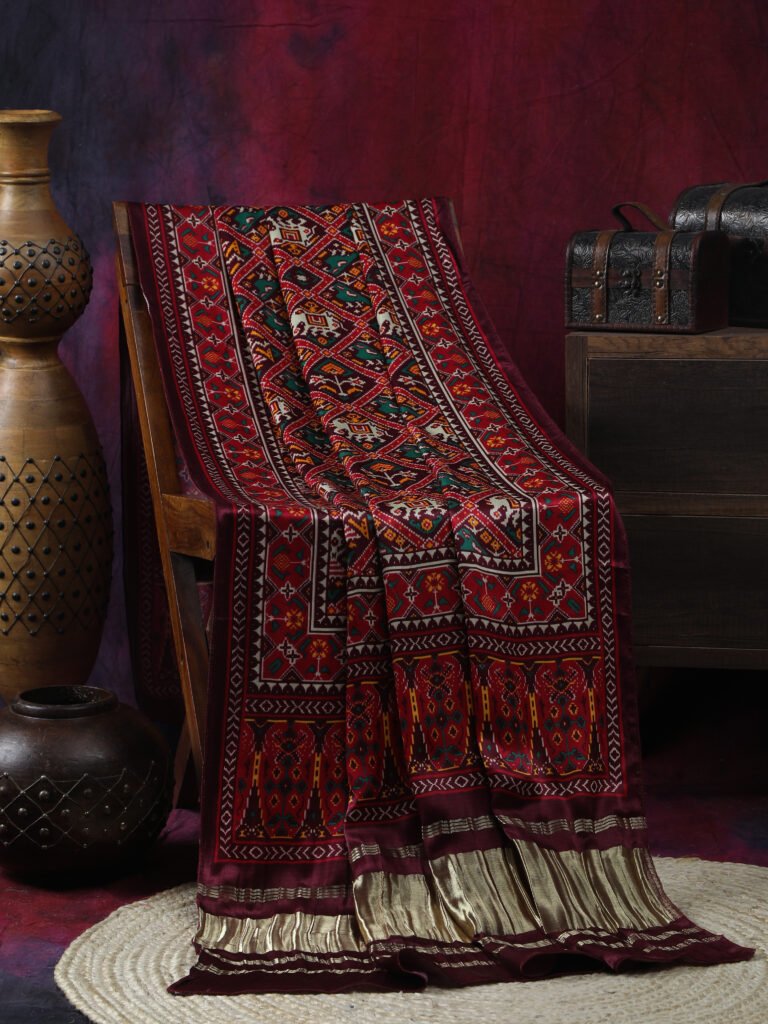
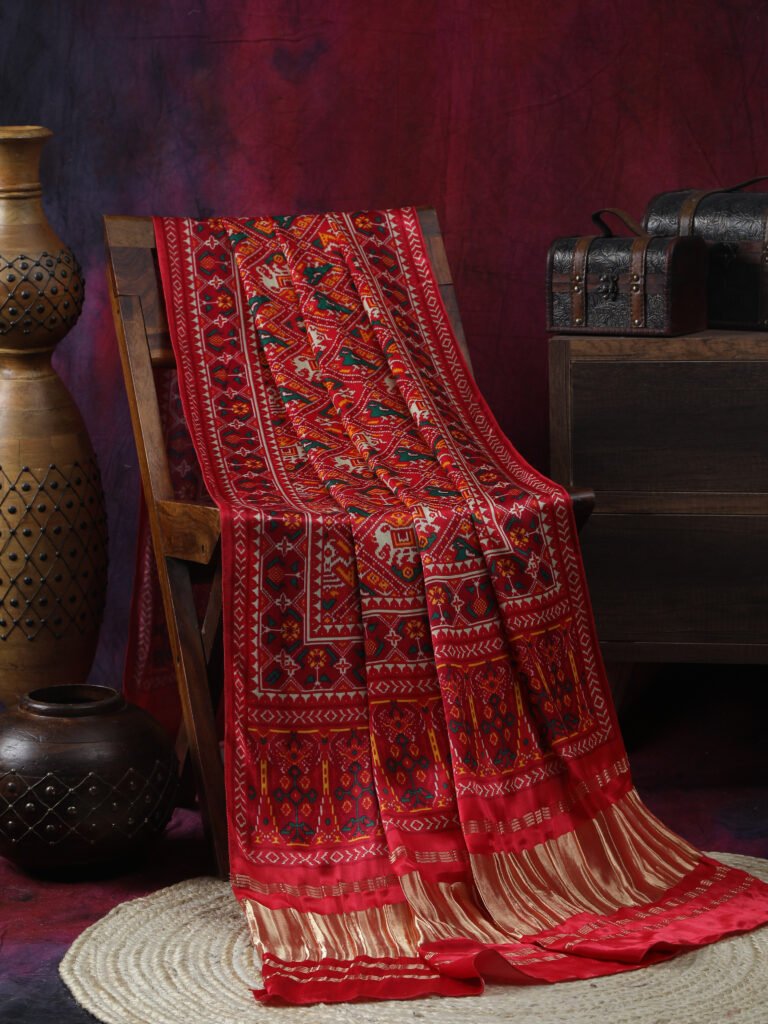
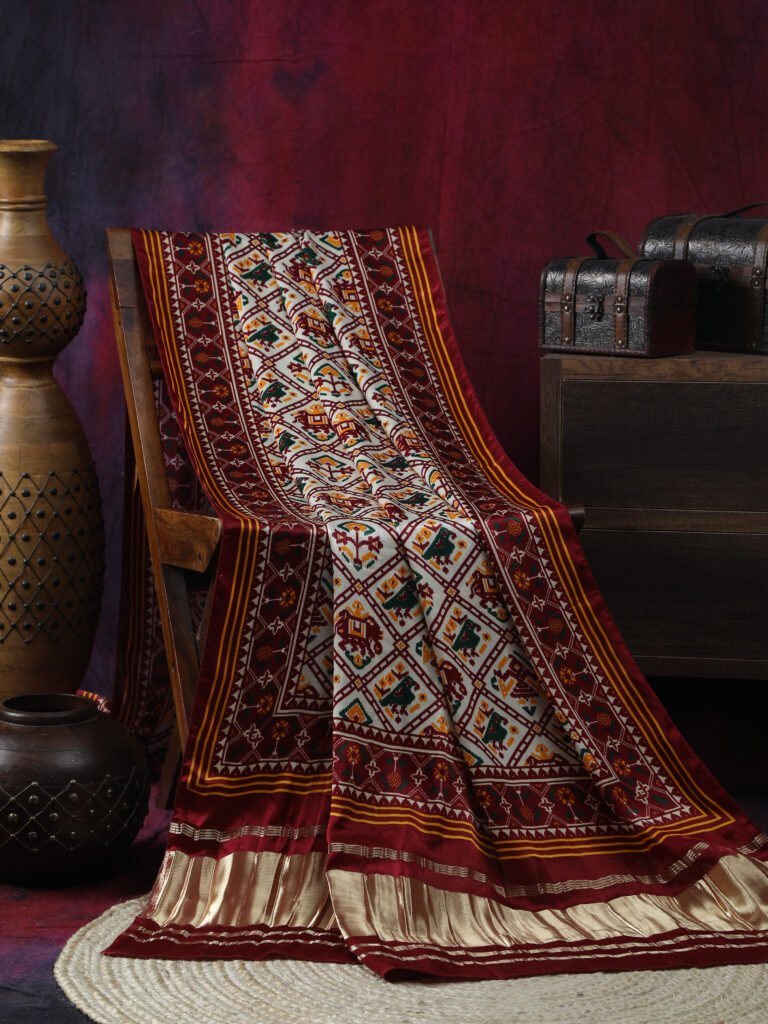
How to Wear Dupatta Based on Outfit Type
With Salwar Suit
For everyday or festive salwar suits, a simple shoulder drape works perfectly. If the suit is plain, opt for a heavily embroidered dupatta and drape it loosely for contrast.
With Anarkali
Anarkalis look best with a flowing dupatta. Pin it neatly on one shoulder and let it cascade behind for a royal effect.
With Lehenga
For lehengas, you can experiment more:
- Over-the-head drape for traditional vibes
- Side shoulder drape for modern elegance
- Pleated and pinned for structured styling
With Sharara or Gharara
Sharara sets look stunning with front-open or one-side drapes that show off the flare.
Choosing the Right Dupatta Fabric
Different fabrics require different draping techniques.
1. Silk Dupatta
Best for structured drapes. Ideal for weddings and receptions.
2. Georgette or Chiffon
Lightweight and flowy. Easy to carry and perfect for long events.
3. Organza
Crisp and elegant. Needs neat pleating and pinning.
4. Cotton
Comfortable and ideal for casual or daytime functions.
Understanding fabric helps you decide how tightly or loosely to drape your dupatta.
Tips to Secure Your Dupatta Properly
Many women worry about dupattas slipping. Here’s how to keep them secure:
- Use small safety pins discreetly
- Pin on the shoulder and near the waist
- Choose textured fabrics for better grip
- Avoid overly silky materials if you want low maintenance
Comfort is key, especially during long wedding celebrations.
Color Coordination Tips
Your dupatta can either complement or contrast your outfit.
Complementary Styling
Choose a dupatta in a similar shade family for a soft, elegant look.
Contrast Styling
Pair bold colors for a striking appearance:
- Green outfit with pink dupatta
- Yellow suit with blue dupatta
- Beige lehenga with red dupatta
Contrast styling is especially popular during wedding season.
Occasion-Based Dupatta Styling
Weddings
Opt for heavier fabrics like silk or embellished organza. Experiment with bridal or belted styles.
Festivals
Bright colors and playful drapes work best. Keep it comfortable yet festive.
Casual Gatherings
Light fabrics and simple shoulder drapes are ideal.
Office or Formal Events
Minimal embroidery and neatly pinned styles create a polished look.
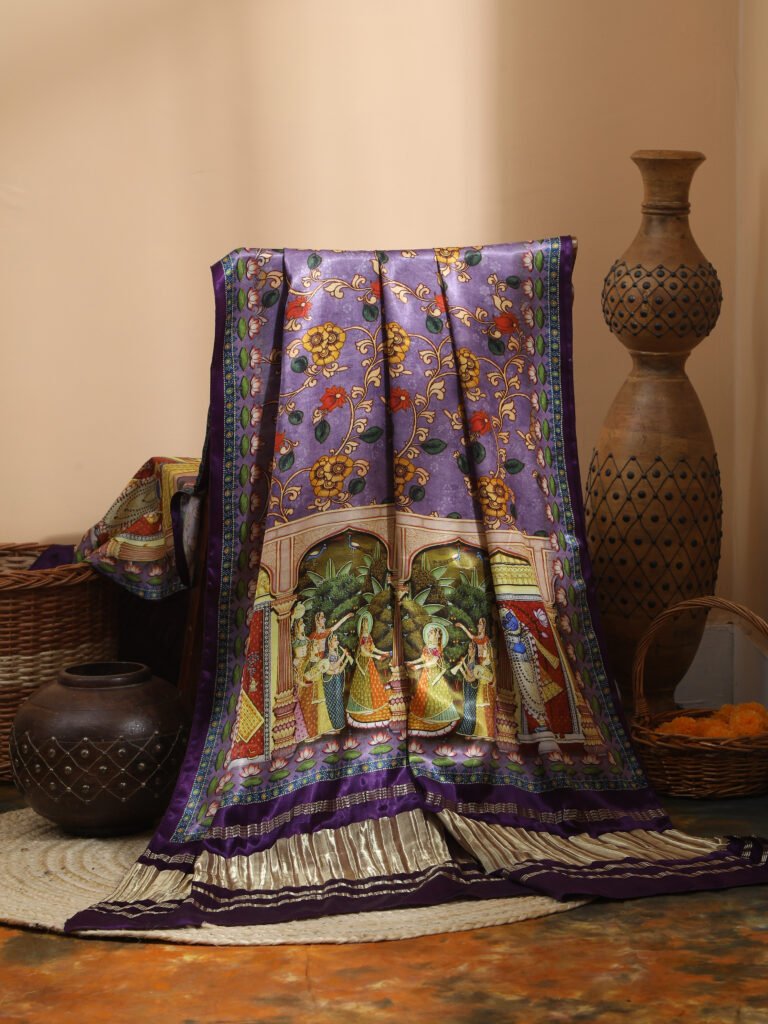
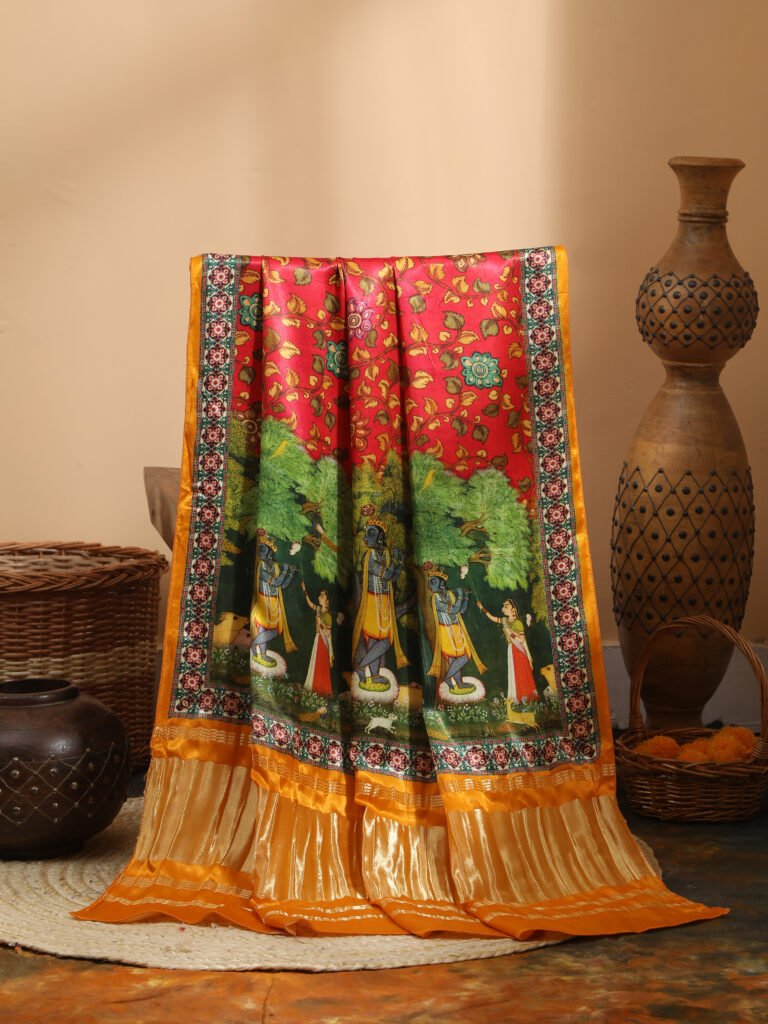
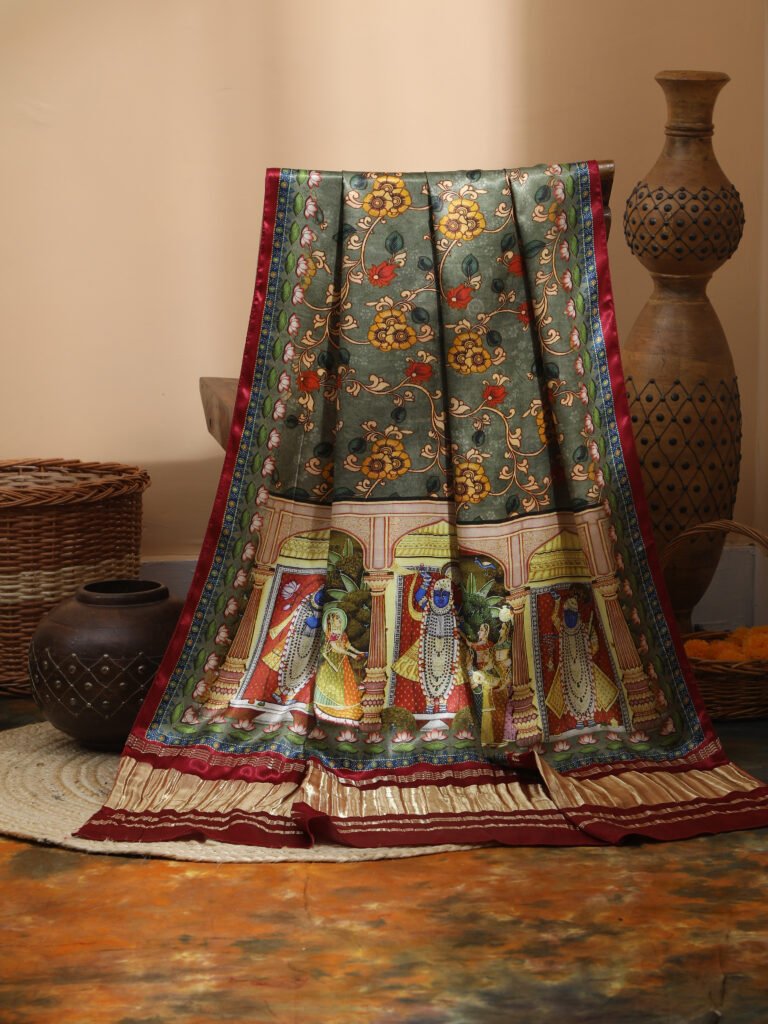
Modern Dupatta Styling Trends
Indian fashion is evolving, and so are dupatta styles.
- Cape-style draping
- Dupatta with crop tops
- Dupatta as a scarf over Indo-western wear
- Pre-stitched dupattas for easy wear
These contemporary styles allow you to blend tradition with modern aesthetics.
Why Dupatta Styling Reflects Personality
The way you drape your dupatta says a lot about your style:
- Neatly pinned = structured and classic
- Flowing and loose = graceful and relaxed
- Belted = bold and trendy
- Over-the-head = traditional and rooted
Experimenting with styles helps you discover what feels most comfortable and confident.
A dupatta is one of the most versatile elements of Indian ethnic wear. From traditional drapes to modern twists, the possibilities are endless. With the right fabric, color coordination, and styling technique, you can transform your entire outfit effortlessly.
At RStudio (rstudio.in.net), we celebrate the beauty of Indian craftsmanship and offer designer dupattas that suit every occasion and personal style. Whether you prefer classic elegance or contemporary charm, mastering the art of dupatta draping ensures you always step out with confidence.
Remember—wear your dupatta not just as an accessory, but as a statement of grace, culture, and individuality.

Leave a comment